Grandview, TX · Johnson County
HVAC Leak Water Removal in Grandview, TXWet Insulation Removal Near HVAC & HVAC Cabinet Water Extraction
HVAC Leak Water Removal in Grandview handles coil leak water damage repair, HVAC drain line flood cleanup and moisture remediation for HVAC systems.
Answered 24/7
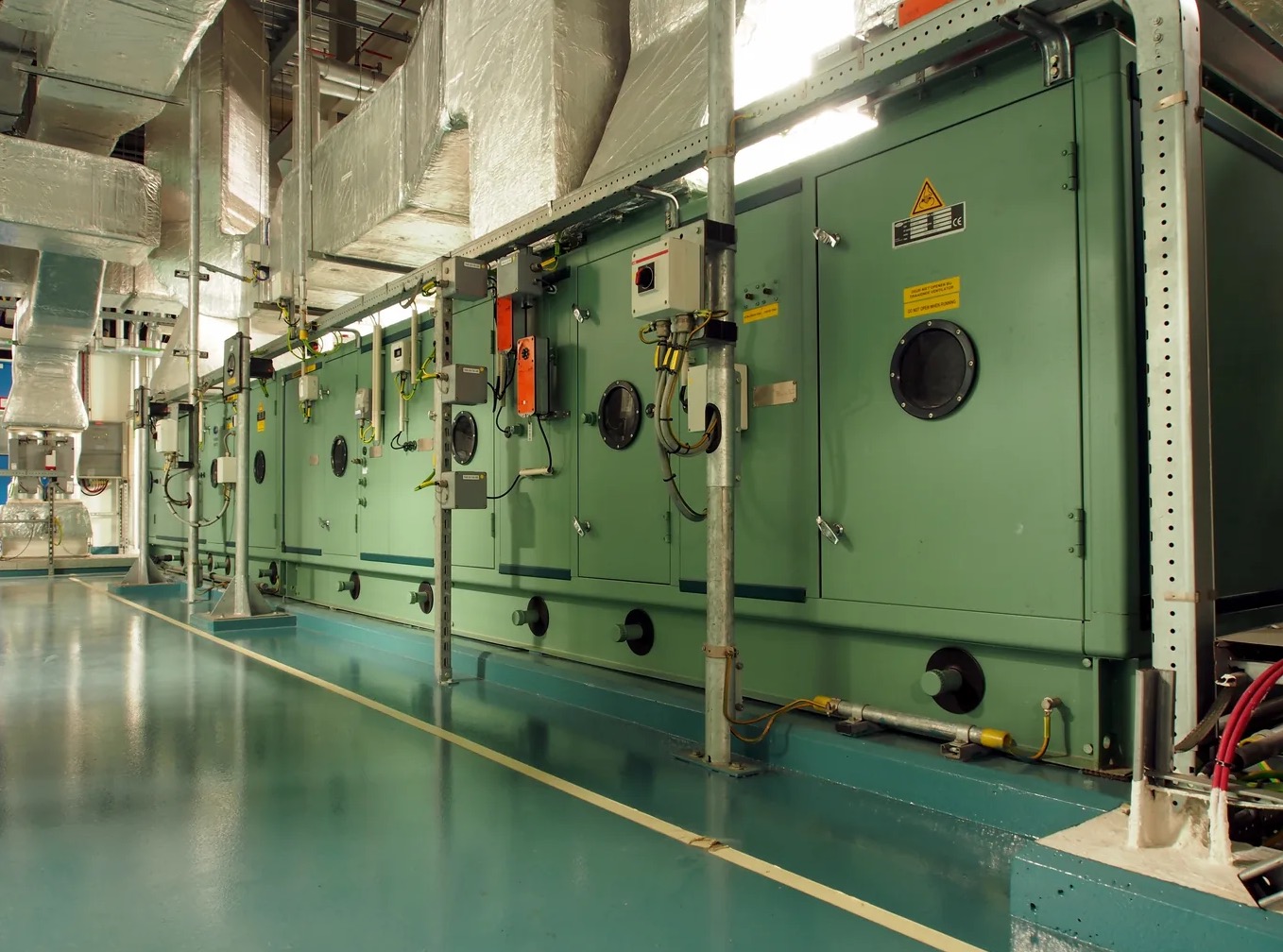
HVAC Leak Water Removal Services for Grandview Residents
Water from a failed drain line or condensate pump in Grandview travels further than it looks. It follows framing and ducts into wall cavities and the rooms next to the unit.
When an HVAC leak occurs in Grandview, water needs to come out quickly to protect interior finishes and electrical systems. Local water removal pros serve this community and nearby areas like Alvarado, Venus and Cleburne, extracting water around the unit and drying wet ductwork before damage spreads.
HVAC Leak Water Removal Service Details in Grandview
Wet Insulation Removal Near HVAC
Saturated insulation near the HVAC unit loses R-value and can foster mold. Removal is often necessary for a proper dry-out.
HVAC Cabinet Water Extraction
Water inside an HVAC cabinet sits right next to wiring and the blower. Power is shut off first, then the water is pulled out with small wet vacuums made for tight spaces.
Ductwork Condensation Water Removal
Cold air inside ducts meeting warm, humid air causes sweating and droplets. Condensation soaks insulation and damages ceiling materials.
HVAC Drain Line Flood Cleanup
A completely blocked primary condensate drain line can overflow the secondary pan. Cleanup requires extracting the spilled water and clearing the line.
Moisture Remediation for HVAC Systems
Once the leak stops, dehumidifiers and air movers are placed to dry the air handler closet, nearby ducts and the room, following industry drying standards.
Red Flags for HVAC Leak Water Removal in Grandview
High Indoor Humidity Levels
A home feeling persistently muggy can mean the HVAC system is not properly removing airborne moisture.
Mold on Air Handler
Visible mold on the unit, the ducts or nearby drywall usually means water has been there for a while.
Stained Ceilings or Walls Near Vents
Stains on drywall or ceilings around supply vents often trace back to ducts that are sweating or leaking.
Visible Rust on Metal Components
Rust forming on the evaporator coil cabinet, drain pan, or supports indicates prolonged moisture exposure.
How HVAC Leak Water Removal Works in Grandview
Step 1: Emergency Assessment and Water Extraction
Local water damage pros stop the water at the unit and extract the standing water from the cabinet, the closet floor and any wet carpet.
Step 2: System Inspection and Moisture Mapping
Moisture meters and thermal cameras show where water went, including wet insulation and duct sections, and the drying plan is built from that.
Step 3: Targeted Drying and Dehumidification
Air movers and dehumidifiers are placed to dry the walls, ceiling, floor and duct runs that got wet.
Step 4: Cleaning and Final Verification
Affected surfaces and HVAC components are cleaned. Final moisture readings confirm the area is dry.
Common Causes of HVAC Water Leaks in Grandview
High Static Pressure in Ducts
An oversized system or closed vents can upset airflow and drainage, so condensate does not drain as it should.
Improper HVAC System Slope
An air handler or drain line installed without correct pitch prevents gravity-driven water flow to the drain.
Refrigerant Leak at the Coil
A pinhole leak in the evaporator coil itself can allow refrigerant and moisture to escape simultaneously.
Worn Gaskets or Seal Failures
Worn seals around access panels or coil sections let water escape the cabinet instead of reaching the pan.
Residential and Commercial HVAC Leak Water Removal in Grandview
Residential HVAC Leak Water Removal
In homes, an AC condensate leak can rot subfloor and baseboards if it is left. The pros dry the tight spaces around the unit and record the damage for insurance.
Commercial HVAC Leak Water Removal
A flooded HVAC unit in a commercial building needs a coordinated response. The pros manage large-volume extraction, coordinate with facility managers, and implement drying protocols.
When DIY Fails for HVAC Leak Water Removal in Grandview
You can document water damage for an insurance claim by taking clear photos of the affected area and leaking component. Keep records of communication. Do not discard damaged items until reviewed. Coverage decisions belong to the insurer.
Cost Insights for HVAC Leak Water Removal in Grandview
Calls at night or on weekends can change the rate for HVAC leak water removal. Dirty water from a drain line also adds cleaning steps to the job.
Emergency Service Timing
HVAC leak cleanup started at night, on weekends or on holidays may be billed at a different rate.
HVAC System Accessibility
Units in tight closets or attics take more labor to reach, clean around and dry.
Water Contamination Category
Clean condensate is simpler to handle than dirty overflow from a drain line, which needs extra cleaning.
Does Insurance Cover HVAC Leak Water Removal?
Coverage for HVAC leak water removal depends on what caused the leak and how your policy is written. The pros take photos and moisture readings, and your insurer decides what is covered.
Why Local Experts for HVAC Leak Water Removal in Grandview
24/7 Emergency Response
Getting to a leaking AC early limits how far water spreads and how much it rusts parts in the unit.
Comprehensive Leak Source Identification
The pros trace the water to the drain line, coil or pan, so the right trade can fix the cause.
Structured Dehumidification Strategy
Air movers and dehumidifiers are placed to dry the cabinet area and nearby walls without blowing water further.
Emergency HVAC Leak Water Removal Services in Grandview
Water damaged HVAC components risk mold and system failure. For HVAC leak water removal in Grandview, call (972) 736-7408 at any hour.
Call Now (972) 736-7408Areas Served for HVAC Leak Water Removal from Grandview
In Grandview, help with HVAC leak water removal covers coil leaks and drain pan overflows, and also reaches nearby Alvarado, Venus and Cleburne.
- HVAC Leak Water Removal in Alvarado
- HVAC Leak Water Removal in Venus
- HVAC Leak Water Removal in Cleburne
- HVAC Leak Water Removal in Joshua
- HVAC Leak Water Removal in Midlothian
- HVAC Leak Water Removal in Mansfield
- HVAC Leak Water Removal in Waxahachie
- HVAC Leak Water Removal in Godley
- Emergency Damage Restoration in 76050
- Storm Damage Restoration in 76050
- Water Damage Restoration in 76050
- Water Extraction Service in 76050
- Water Leak Detection in 76050
- Water Removal Service in 76050
HVAC Leak Water Removal Common Questions
What are signs of a leaking AC unit indoors?
Water around the indoor unit, stains on nearby walls or ceilings, a musty smell, or the system shutting off because its float switch tripped.
Why is quick action critical for a flooded HVAC unit?
Water can damage the unit's wiring, rust metal parts and soak into walls and floors, which makes repairs larger and more expensive.
Can wet insulation near HVAC be saved?
Often, yes. Wet insulation loses its value and is hard to dry in tight spaces, so it is usually removed and replaced once the area is dry.
What happens during coil leak water damage repair?
The pros remove the water and dry the coil area. The coil itself is serviced or replaced by an HVAC contractor to stop the leak.
What's the difference between water extraction and drying?
Extraction removes the liquid water. Drying uses dehumidifiers and air movers to pull out the moisture left in insulation, drywall and wood.