Greenville, TX · Hunt County
Floodwater Removal in Greenville, TXEmergency Flood Damage Mitigation & Flooded Carpet Water Removal
Floodwater Removal in Greenville handles flooded carpet water removal, flooded room drying services and sewage flood cleanup.
Answered 24/7
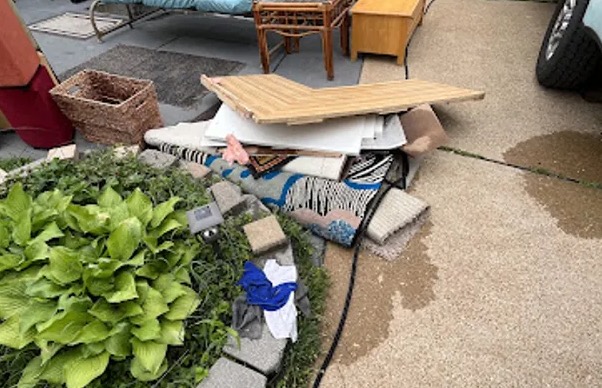
Floodwater Removal for Greenville Homes and Businesses
In Greenville, removing floodwater is the first step before any repair work, from new drywall to new flooring.
In Greenville, local restoration pros remove contaminated floodwater and dry the home, and they also work in nearby communities such as Royse City, Fate and Princeton, at any hour.
Floodwater Removal Methods Used in Greenville
Emergency Flood Damage Mitigation
Emergency flood work in Greenville means removing water, making the property safe and starting drying, which keeps mold and other secondary damage from setting in.
Flooded Carpet Water Removal
Wet carpets from flooding are a major concern for indoor air quality. The water removal process uses powerful extraction wands to pull water from the carpet pile and underlying pad.
Flood Damaged Drywall Removal
Drywall is highly porous and often unsalvageable after flood contact. Water removal pros carefully cut and remove saturated drywall sections to expose wall cavities for drying and inspection.
Contaminated Floodwater Removal
Floodwater often carries dirt, chemicals, and biological contaminants. After extraction, the cleanup phase involves pressure washing, scrubbing, and applying cleaning agents to affected surfaces.
Storm Flood Water Pumping
The pros use industrial pumps to clear outdoor and indoor areas, a vital step before detailed water extraction and drying inside the structure can begin effectively.
Common Signals for Floodwater Removal in Greenville
Sewage Backflow or Contaminated Water
Sewage or contaminated floodwater is a health risk and needs protective gear and disinfection to clean up.
Bowed or Buckling Flooring
Sagging or soft walls and floors after a flood mean the structure is soaked and needs drying soon.
Gurgling Sounds in Drains
Gurgling drains can signal a sewer line problem that may cause backup. Contaminated floodwater needs protective gear and disinfection.
Electrical Outages or Hazards
If water reaches outlets or appliances, shut off the power and call for emergency help right away.
How Floodwater Removal Works in Greenville
Step 1: 24/7 Emergency Flood Damage Mitigation
The pros first stop the water source and protect unaffected rooms. This includes extracting water and setting up containment if needed.
Step 2: Comprehensive Floodwater Extraction
Submersible pumps and extractors remove all the floodwater before the drying starts.
Step 3: Flood Damaged Drywall Removal
Drywall that cannot be saved is removed so the wall cavities can dry and mold does not start.
Step 4: Moisture Monitoring and Verification
Moisture is checked daily, and equipment is moved until the property is fully dry.
Typical Sources of Floodwater Damage in Greenville
Severe Weather and Storms
Heavy rain can overwhelm drains and cause flash flooding that leaves standing water in homes and businesses.
Foundation Cracks and Leaks
Cracks in a foundation let groundwater seep in during long, soaking rains.
Sewer System Backup
Municipal sewer backups or overwhelmed septic systems can push contaminated water into a home through floor drains and toilets.
Burst or Leaking Pipes
A burst water pipe can release hundreds of gallons quickly, causing extensive flood damage.
Floodwater Removal for Homes and Businesses in Greenville
Residential Floodwater Removal
Prompt flood cleanup services help maintain a home's structure. The pros start by pumping out and extracting the floodwater.
Commercial Floodwater Removal
Warehouses and similar facilities require aggressive standing water removal. The pros in Greenville use high-capacity equipment for storm flood water pumping and create detailed moisture maps.
Professional Floodwater Removal or DIY in Greenville
Towels or plastic at doorways can help keep water out of dry rooms. Removing a lot of water quickly takes pumps and extractors, and waiting raises the risk of mold and rot.
Factors Influencing Floodwater Removal Cost in Greenville
The cost of floodwater removal in Greenville depends on the type of water, how much is standing and how long materials have been wet. Sewage adds to the work.
Water Category and Contamination
Gray or black water from sewage needs more protective steps and disinfection than clean water.
Additional Restoration Services
Follow-up work like antimicrobial treatment or cleaning contents adds to the total.
Required Drying Equipment
The number of air movers, dehumidifiers and air scrubbers needed affects the cost.
Does Insurance Cover Floodwater Removal?
If storm water had to be pumped out, check whether you have storm damage coverage or a flood policy. Standard homeowners insurance often excludes this. The decision on what is covered rests solely with your insurance provider.
Benefits of Local Pros for Floodwater Removal in Greenville
Comprehensive Damage Documentation
Notes, photos and moisture logs are kept to support your insurance claim.
Material Removal and Disposal
Wet carpet and drywall that cannot be saved are removed and hauled away.
Odor Control and Air Scrubbing
HEPA air scrubbers remove dust and odors from the air during and after cleanup.
Emergency Floodwater Removal Response in Greenville
Flooding needs quick action before water soaks deeper. If floodwater or sewage is in your Greenville property, call (972) 736-7408 now.
Call Now (972) 736-7408Local Floodwater Removal Coverage for Greenville
The places below are also served, and each one has its own page.
- Floodwater Removal in Royse City
- Floodwater Removal in Fate
- Floodwater Removal in Princeton
- Floodwater Removal in Lucas
- Floodwater Removal in Wylie
- Floodwater Removal in Terrell
- Floodwater Removal in Melissa
- Floodwater Removal in McKinney
- Emergency Damage Restoration in 75401
- Storm Damage Restoration in 75401
- Water Damage Restoration in 75401
- Water Extraction Service in 75401
- Water Leak Detection in 75401
- Water Removal Service in 75401
- Emergency Damage Restoration in 75402
- Storm Damage Restoration in 75402
Common Floodwater Removal FAQs for Greenville
Can flooded carpet be saved after water removal?
It depends on the type of water and how long it sat. Carpet soaked by clean water can often be saved if it is extracted and dried quickly.
What steps are taken for water trapped beneath flooring?
Extraction tools draw water from subfloors, though sometimes the flooring has to come up so the subfloor can dry.
What is involved in floodwater removal?
Pumping out standing water, extracting water from carpets, setting up drying equipment and checking humidity until the structure is dry.
What happens after the floodwater is pumped out?
Drying takes over: equipment is set up, readings are taken each day and any repairs are planned for after the property is dry.
What is contaminated floodwater removal?
It is removing water that carries sewage, chemicals or bacteria. It needs protective gear, disinfection and often removal of porous materials.