Garland, TX · Dallas County
Floodwater Removal in Garland, TXFlood Damaged Drywall Removal & Emergency Flood Damage Mitigation
Floodwater Removal in Garland includes storm flood water pumping, flood damaged drywall removal and contaminated floodwater removal.
Answered 24/7
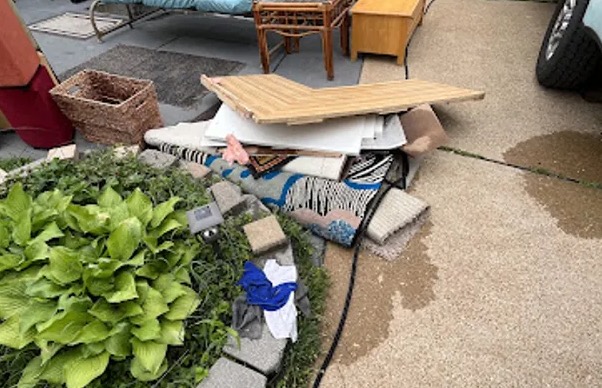
Floodwater Removal for Garland Homes and Businesses
In Garland, removing floodwater is the first step after any flood. It stops the water from spreading, protects belongings and lowers the chance of mold inside walls and under floors.
In Garland, flood cleanup includes drying flooded rooms and removing soaked drywall. Local restoration pros also work around the clock in nearby Rowlett, Sachse and Richardson.
The Floodwater Removal Process for Garland
Flood Damaged Drywall Removal
Wet drywall from flooding typically requires removal. Experts cut away damaged sections above the water line to allow air circulation into wall spaces.
Emergency Flood Damage Mitigation
Flood damage mitigation is about thorough action to minimize loss. This emergency service includes stopping the water source if possible, extracting standing water, and implementing temporary protective measures.
Contaminated Floodwater Removal
Flooding in Garland can introduce outside contaminants into a home. The contaminant cleanup service focuses on removing mud, silt, and other pollutants from floors and baseboards.
Storm Flood Water Pumping
Post-storm flooding often requires large-scale water removal. Professionals deploy powerful pumping equipment to evacuate standing water from affected zones.
Sewage Flood Cleanup
Sewage backups pose serious health risks and require specific protocols. Professionals adhere to strict safety standards to handle Category 3 water damage appropriately.
Common Signals for Floodwater Removal in Garland
Gurgling Sounds in Drains
Gurgling drains can signal a sewer line problem that may cause backup. Contaminated floodwater needs protective gear and disinfection.
Soggy or Damp Carpeting
Soggy carpet holds water against the subfloor and starts to smell, so it needs extraction and drying.
Musty Odors After a Storm
A musty smell after a flood usually means water is still hiding in walls or under floors.
Electrical Outages or Hazards
If water reaches outlets or appliances, shut off the power and call for emergency help right away.
How Floodwater Removal Works in Garland
Step 1: Initial Floodwater Extraction
Local restoration pros perform an urgent water extraction service to eliminate the source of damage.
Step 2: Hazardous Material Cleanup
If the water is contaminated, safety steps and protective gear are used during removal.
Step 3: Comprehensive Post-Flood Drying
Dehumidifiers and air scrubbers dry the space and clean the air after extraction.
Step 4: Damage Documentation for Claims
The wet areas are recorded for your insurance claim. Check what your insurer needs.
Leading Causes of Floodwater Intrusion in Garland
Severe Weather and Storms
Heavy rain can overwhelm drains and cause flash flooding that leaves standing water in homes and businesses.
Appliance Malfunctions
Failed washing machine hoses, water heaters, or dishwasher lines can flood a room.
Foundation Cracks and Leaks
Cracks in a foundation let groundwater seep in during long, soaking rains.
Roof Leaks During Downpours
A damaged roof can let water pour into an attic or upper floors, so water must be removed from several levels.
Both Residential and Commercial Floodwater Removal in Garland
Residential Floodwater Removal
Home flood cleanup focuses on salvaging personal belongings and preventing secondary damage like mold. The pros pull water from carpet and dry the walls and subfloors after the flood.
Commercial Floodwater Removal
In offices, stores and warehouses, floodwater removal has to protect stock and meet safety rules. Large extraction equipment removes the water and drying covers both the building and its contents.
Floodwater Removal vs. DIY Cleanup in Garland
If you think sewage is involved, stay out of the water and do not run any water in the home. Keep people and pets out of the area. Sewage cleanup needs protective gear and disinfectants.
Floodwater Removal Cost Considerations in Garland
In Dallas County, cost depends on labor hours for pumping, the size of the flooded area and how much drying equipment the job needs.
Affected Materials and Demolition
Porous materials like drywall and insulation often have to be removed, which adds cost.
Water Category and Contamination
Gray or black water from sewage needs more protective steps and disinfection than clean water.
Additional Restoration Services
Follow-up work like antimicrobial treatment or cleaning contents adds to the total.
Does Insurance Cover Floodwater Removal?
Flooded house cleanup from a sudden internal leak is commonly covered. Natural disaster flooding from outside usually requires specific flood insurance. Your insurer makes the final determination on reimbursement, so maintain open communication with them.
Why Choose Local Pros in Garland for Floodwater Removal
Odor Control and Air Scrubbing
HEPA air scrubbers remove dust and odors from the air during and after cleanup.
24/7 Emergency Response
The pros can be reached around the clock to start removing water.
IICRC-Standard Water Extraction
Water is removed and dried following industry standards, which helps prevent mold and further damage.
Round-the-Clock Emergency Floodwater Removal in Garland
Time matters after a flood, because water keeps soaking into floors and walls every hour. To stop the damage from spreading, call (972) 736-7408 for cleanup, extraction and wet carpet removal.
Call Now (972) 736-7408Local Floodwater Removal Coverage for Garland
Flooding in Garland needs professional extraction. Whether it is sewage or soaked carpet, local pros help homeowners in Garland, Rowlett, Sachse and Richardson.
- Floodwater Removal in Rowlett
- Floodwater Removal in Sachse
- Floodwater Removal in Richardson
- Floodwater Removal in Murphy
- Floodwater Removal in Plano
- Floodwater Removal in Wylie
- Floodwater Removal in Sunnyvale
- Floodwater Removal in Mesquite
- Emergency Damage Restoration in 75040
- Storm Damage Restoration in 75040
- Water Damage Restoration in 75040
- Water Extraction Service in 75040
- Water Leak Detection in 75040
- Water Removal Service in 75040
- Emergency Damage Restoration in 75041
- Storm Damage Restoration in 75041
Your Floodwater Removal Questions Answered
How long does flooded room drying take?
It depends on the materials, humidity and amount of water. Most jobs take several days of drying.
What are the risks of delayed flood cleanup services?
Waiting raises the risk of mold, stains, odors and damage to the structure, which makes the job bigger and more expensive.
What equipment is used for water extraction service?
Submersible pumps for deep water, truck-mounted or portable extractors for carpet, and air movers and dehumidifiers for drying.
How quickly should floodwater extraction begin?
As soon as possible. Starting early limits damage and mold and saves more of the property.
What happens after the floodwater is pumped out?
Drying takes over: equipment is set up, readings are taken each day and any repairs are planned for after the property is dry.