Flood Water Extraction in Justin, TX: What You Need to Know
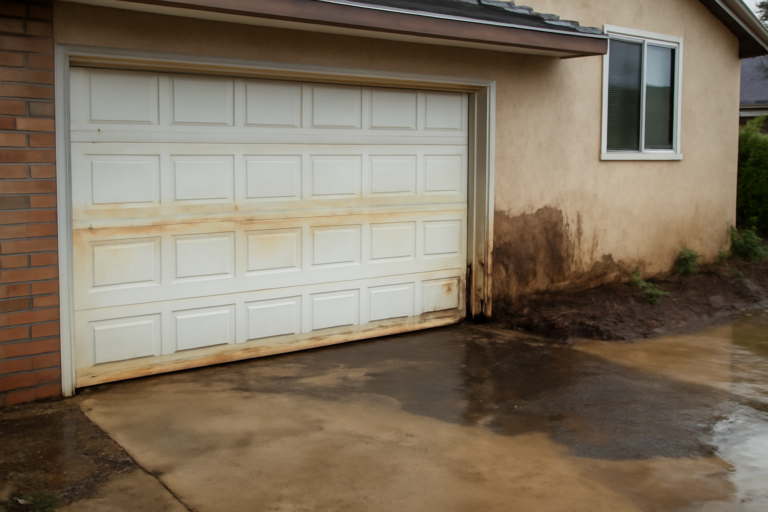
Did you know that the average cost of a flood damage claim in the United States is around $50,000? But, with the right team on your side, you can reduce your losses and get back to normal within weeks, not months. Our team has helped countless homeowners in Justin, TX, and surrounding areas recover from flood damage, and we can do the same for you. We’ll get to the root of the problem quickly, so you can focus on what matters most.
With over 165 five-star reviews, it’s clear why local homeowners choose us for their flood water extraction needs. Our team has years of experience dealing with the unique challenges of flood damage in the area, and we’ll work tirelessly to ensure your home is restored to its former glory. You can count on us to get the job done right, the first time.
- Quick response times, with most calls answered within 60 minutes.
- Advanced equipment and techniques to extract water and dry out your home efficiently.
- Expert documentation and claims handling to ensure you receive the compensation you deserve.
How Flood Water Extraction Actually Works
When you call us for flood water extraction, you can expect a thorough and efficient process that gets your home back to normal quickly. Our team will assess the damage, identify the source of the flooding, and develop a customized plan to extract the water and dry out your home. We’ll use advanced equipment and techniques to reduce disruption and get the job done as quickly as possible.
Step 1: Assessment and Planning
We’ll send a trained technician to assess the damage and identify the source of the flooding. This step is crucial in determining the best course of action and ensuring we address the underlying issue.
Step 2: Water Extraction
Using advanced equipment such as truck-mounted extractors and portable pumps, we’ll remove as much water as possible from your home, including from hard-to-reach areas like crawlspaces and under flooring.
Step 3: Drying and Dehumidification
We’ll use industrial-grade dehumidifiers and air movers to circulate air and speed up the drying process. This step is critical in preventing further damage and ensuring your home is safe to inhabit.
Step 4: Sanitizing and Disinfecting
We’ll use EPA-registered disinfectants to sanitize and disinfect your home, ensuring it’s safe and healthy for you to return to.
Step 5: Reconstruction and Repair
Once the drying process is complete, our team will work with you to repair and rebuild your home to its former condition. This may include replacing damaged drywall, flooring, and other materials.
Don’t wait until it’s too late. Call us today to get started on the flood water extraction process and take the first step towards restoring your home and your peace of mind.

Warning Signs You Need Flood Water Extraction
Catching signs of flood damage early can save you thousands of dollars in repairs and prevent bigger problems down the line. Here are some warning signs to look out for:
Musty Odors That Won’t Go Away
Strong, unpleasant odors can be a sign of hidden moisture and mold growth. If you notice persistent odors in your home, it’s time to call us.
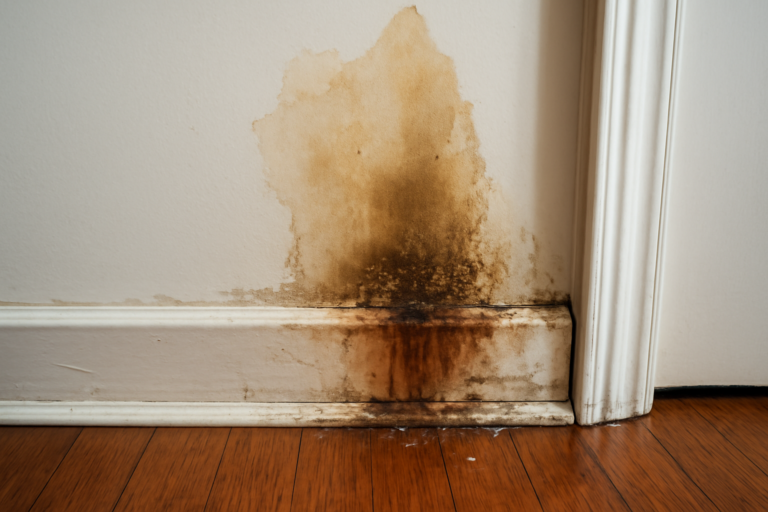
Water Stains or Discoloration
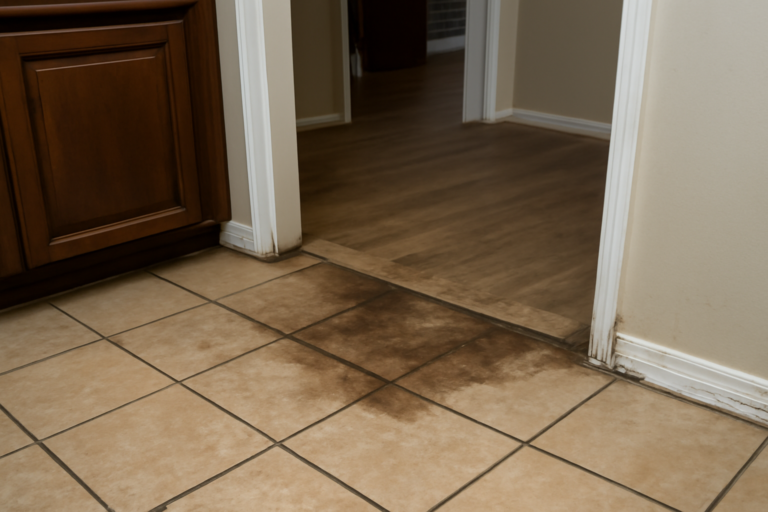
Visible water stains or discoloration on walls, ceilings, or floors can show water damage that needs attention.
Warped or Buckled Flooring
Warped or buckled flooring can be a sign of water damage that’s been left unchecked. Don’t wait until it’s too late.
Peeling Paint or Wallpaper
Peeling paint or wallpaper can show water damage behind the surface. We’ll help you identify and address the issue.
Unusual Sounds or Leaks
Unusual sounds or leaks in your home can be a sign of hidden water damage. Don’t ignore these signs, call us today!
Flood Water Extraction vs. DIY: When To Call a Professional
| Situation | DIY? | Call a Pro? | Why |
|---|---|---|---|
| Small leak or puddle | Yes | No | You can likely handle a small leak or puddle with DIY equipment and techniques. |
| Large-scale flooding or structural damage | No | Yes | Large-scale flooding or structural damage needs specialized equipment and expertise to ensure safety and prevent further damage. |
| Hidden water damage or mold growth | No | Yes | Hidden water damage or mold growth needs specialized equipment and techniques to identify and address the issue. |
| High-traffic or sensitive areas | Yes | No | You can likely handle high-traffic or sensitive areas with DIY equipment and techniques. |
| Complex insurance claims or documentation | No | Yes | Complex insurance claims or documentation need specialized expertise to ensure you receive the compensation you deserve. |
With flood water extraction, it’s essential to know when to call a professional. If you’re unsure or notice any of the warning signs mentioned above, don’t hesitate to reach out to us for expert help.
Flood Water Extraction Cost in Justin, TX
The cost of flood water extraction can vary widely depending on the severity and size of the affected area, as well as local conditions in Justin, TX. As a general estimate, the cost can range from $500 to $2,500 or more, depending on the scope of the damage.
| Service | Typical Price Range | What Affects Cost |
|---|---|---|
| Water Extraction | $500 – $2,000 | The severity and size of the affected area, as well as the type of equipment needed. |
| Drying and Dehumidification | $1,000 – $3,500 | The size of the affected area and the type of equipment needed. |
| Sanitizing and Disinfecting | $200 – $1,000 | The size of the affected area and the type of equipment needed. |
| Reconstruction and Repair | $1,500 – $5,000 | The extent of the damage and the materials needed for repair. |
Exact pricing will depend on an on-site assessment, and we offer free estimates for all our services. Don’t wait until it’s too late, call us today to schedule your appointment and take the first step towards restoring your home and your peace of mind.
Service Areas Near Justin, TX
We serve the following nearby communities:
Aledo, TX, Argyle, TX, Azle, TX, Bedford, TX, Benbrook, TX, Blue Mound, TX, Bowie, TX, Briar, TX, Burleson, TX, Cedar Hill, TX, Colleyville, TX, Coppell, TX, Crowley, TX, Dalworthington Gardens, TX, Denton, TX, Euless, TX, Flower Mound, TX, Fort Worth, TX, Forest Hill, TX, Grapevine, TX, Haltom City, TX, Haslet, TX, Highland Village, TX, Hurst, TX, Keller, TX, Lake Worth, TX, Lewisville, TX, Lillian, TX, Mansfield, TX, North Richland Hills, TX, Pantego, TX, Pecan Hill, TX, Pelican Bay, TX, Richland Hills, TX, Saginaw, TX, Sansom Park, TX, Southlake, TX, Watauga, TX, Westlake, TX, Westover Hills, TX, White Settlement, TX, Willow Park, TX
Common Questions About Flood Water Extraction
Q: What’s the typical timeline for flood water extraction services?
A: The timeline for flood water extraction services can vary depending on the severity and size of the affected area, as well as local conditions. But, in most cases, we can complete the process within 3-5 days. Our team will work diligently to ensure you receive the best possible results in the shortest amount of time.
Q: Do you work with insurance companies to ensure I receive the compensation I deserve?
A: Yes, we work closely with insurance companies to ensure you receive the compensation you deserve. Our team will document the damage and work with your insurance provider to ensure a smooth claims process.
Q: What equipment do you use for flood water extraction?
A: We use advanced equipment, including truck-mounted extractors and portable pumps, to remove water from your home efficiently and effectively.
Q: Can I do flood water extraction myself, or should I call a professional?
A: While it’s possible to try flood water extraction yourself, it’s often more efficient and effective to call a professional. Our team has the expertise and equipment to handle even the most complex situations, ensuring your home is restored to its former condition.
Q: What’s the best way to prevent flood water extraction in the future?
A: The best way to prevent flood water extraction in the future is to maintain your home’s drainage system, ensure proper grading around your home, and install a sump pump or backup system. Regular maintenance can go a long way in preventing costly repairs down the line.