Fairview, TX · Collin County
Commercial Water Removal in Fairview, TXRetail Store Water Removal & Warehouse Flood Water Extraction
Commercial Water Removal in Fairview covers office water damage cleanup, warehouse flood water extraction and commercial carpet water extraction.
Answered 24/7
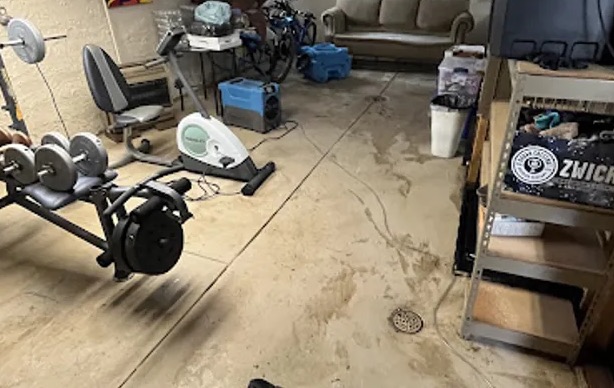
Commercial Water Removal for Fairview Commercial Properties
In Fairview, the first hours after a commercial flood decide how long the building will be closed. Water left on slabs and carpet tiles soaks walls and stock, and the drying time grows.
In Fairview, commercial water removal calls often follow roof leaks, burst risers and sprinkler problems. Local commercial water removal pros serve Fairview, McKinney, Allen and Lucas, with work planned to limit downtime.
Industrial and Commercial Water Removal in Fairview
Retail Store Water Removal
Store floors, fitting rooms and stockrooms are extracted, and wet merchandise is separated and listed for the owner.
Warehouse Flood Water Extraction
Warehouse drying uses large dehumidifiers that can handle high ceilings and open floor space.
Commercial Carpet Water Extraction
Glue-down carpet is dried in place with directed airflow when extraction was fast and the water was clean.
Restaurant Kitchen Water Cleanup
Kitchen water often comes from drains or grease lines. It is handled with protective gear and the area is sanitized before drying.
Industrial Facility Drying Services
Equipment that stood in water is noted for the owner's service provider to check before it is restarted.
Do You Need Commercial Water Removal in Fairview?
Buckling Hardwood Floors
Wood floors in lobbies or offices that buckle or cup have water underneath them.
Water Around Foundation
Water collecting near the foundation outside can seep into lower floors and below-grade rooms.
Wet Insulation in Walls
Wet insulation found behind walls or above ceilings points to a leak that needs tracing and drying.
Soggy Carpet Spots
Spots of soggy carpet or carpet tiles mean water is trapped against the slab underneath.
How Commercial Water Removal Works in Fairview
Step 1: Water Mitigation
The source is shut off, stock is moved and water is kept from reaching dry areas.
Step 2: Targeted Moisture Detection
Meters and thermal cameras check walls, ceilings and floors in nearby suites and floors below.
Step 3: Applied Structural Drying
Equipment is placed for each zone's materials and moved as readings drop each day.
Step 4: Completion and Handoff
The owner walks the space with the pros, and each zone is released for repairs or reopening.
What Causes Water Damage in Fairview Businesses?
HVAC System Condensation
Rooftop and ceiling HVAC units overflow when their condensate drains clog, soaking ceiling tiles.
Appliance Malfunctions
Dishwashers, beverage machines, water heaters and coolers can fail and flood kitchens and break rooms.
Parking Garage Drainage Issues
Parking garage drains that clog can send water into elevator pits and nearby lower floors.
Window and Door Seal Failure
Worn seals on storefront glass, windows and doors let rain into lobbies and sales floors.
Commercial Water Removal for All Commercial Properties in Fairview
Residential Water Removal
Residential equipment is portable and sized to fit through doors and up stairs into individual rooms of a house.
Commercial Water Removal
Commercial jobs may use truck-mounted extractors, large pumps and high-capacity dehumidifiers to dry warehouses, gyms and office floors.
Hiring Local Pros vs. DIY Commercial Water Removal in Fairview
You can stop the source, take photos and close off the wet area. Removing water from slabs, carpet tiles and walls across a building needs commercial-scale equipment and drying.
Factors Affecting Commercial Water Removal Price in Fairview
The cost of commercial water removal in Fairview depends on the size of the wet area, the type of water and how many suites, floors or units were affected.
Content Handling
Moving, protecting and listing stock, furniture and records adds labor to the job.
Affected Square Footage
Large floors, multiple suites or several stories need more equipment, more labor and more time.
Access Complexity
High ceilings, loading docks, elevators and occupied spaces can slow access to wet areas.
Does Insurance Cover Commercial Water Removal?
Business interruption claims usually need records of when damage happened and how long areas were closed. Keep drying logs and reopening dates.
Benefits of Local Pros for Commercial Water Removal in Fairview
Commercial Equipment
High-capacity extractors, pumps and large dehumidifiers are sized for big spaces and high ceilings.
Clear Communication
Owners and managers get plain updates on progress, closed areas and expected reopening dates.
Industry Methods
Water removal and drying follow industry water damage standards, with readings taken at every visit.
Emergency Commercial Water Removal in Fairview
If water is near electrical panels, elevators or machinery, keep people away and shut off power only if it is safe. Then call (972) 736-7408 for help in Fairview.
Call Now (972) 736-7408Commercial Water Removal in Fairview and Other Areas Served
Other places served are listed below, each with its own page.
Your Commercial Water Removal Questions Answered
Is odor a concern after retail store water removal?
It can be. Removing wet materials and drying fully usually prevents odors, and any remaining smell is traced and treated.
Are there health risks from water during commercial water damage repair?
Water from drains, sewers or outside floods can carry contaminants, so it is handled with protective gear.
Does commercial carpet water extraction always save the carpet?
Not always. Clean water extracted quickly often lets carpet stay, but tiles that release from the slab are replaced.
What is the difference between extraction and drying in commercial property drying?
Extraction removes liquid water quickly. Drying removes the moisture left in walls, slabs and ceilings over several days.
How is drying progress monitored in industrial flood cleanup?
Readings are taken across the floor and walls every day, and equipment is moved as each zone dries.