Glenn Heights, TX · Dallas County
Burst Pipe Water Removal in Glenn Heights, TXBurst Pipe Mold Prevention & Pipe Leak Water Removal
Burst Pipe Water Removal in Glenn Heights runs from burst pipe water extraction and broken pipe water cleanup to flooded room drying.
Answered 24/7
Your Local Solution for Burst Pipe Water Removal in Glenn Heights
When a pipe bursts, water comes out at full household pressure until someone shuts off the main. In Glenn Heights, that can mean several rooms flooded, a soaked ceiling below and water running under walls before the flow stops.
Homes and businesses in Glenn Heights and nearby DeSoto, Red Oak and Lancaster face burst pipes from aging plumbing and pressure problems. Help with burst pipe water removal covers pumping, extraction, removal of wet materials and drying.
The Burst Pipe Water Removal Process in Glenn Heights
Burst Pipe Mold Prevention
Drying quickly after a burst pipe is the main way to limit microbial growth. Framing that stayed wet can be treated with an antimicrobial once dry.
Pipe Leak Water Removal
Pipe leak removal targets the hidden spots: under sink bases, behind appliances and inside the wall below the leak.
Broken Pipe Water Cleanup
Cleanup after a broken pipe clears water, wet debris and soaked materials from around the break so the plumber can work and drying can start.
Flooded Room Drying
Each flooded room gets air movers aimed at the floor and lower walls, and dehumidifiers to pull moisture from the air.
Wet Drywall Removal
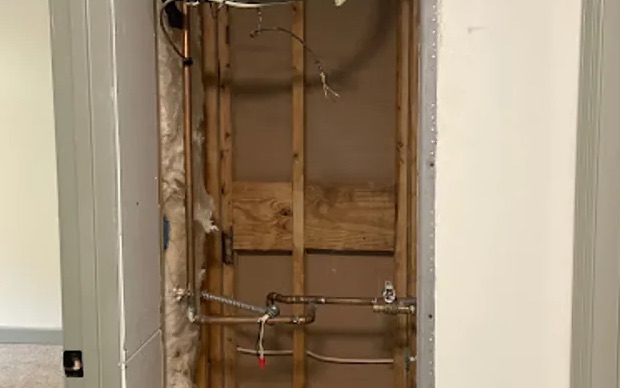
Drywall soaked by a burst pipe is cut out above the wet line, letting air reach the studs and insulation behind it.
Warning Signs You Need Burst Pipe Water Removal
Damp or Sagging Drywall
Drywall that is damp, soft or sagging near plumbing often has a leaking or burst pipe behind it.
Constant Dripping Behind Walls
Steady dripping sounds inside a wall when no fixtures are running point to a leaking pipe.
Water Pooling Under Sinks
Water collecting in the cabinet under a sink, or on the floor in front of it, often means a supply line or fitting has failed.
Reduced Water Pressure
A sudden drop in water pressure can mean a pipe has burst and water is escaping.
How Burst Pipe Water Removal Works in Glenn Heights
Step 1: Emergency Water Extraction
Pumps and extractors remove standing water from every flooded room once the main is shut off.
Step 2: Targeted Drying and Dehumidification
Air movers and dehumidifiers are placed for each room, with readings taken every day.
Step 3: Damaged Material Removal
Drywall, carpet pad and flooring that cannot be saved are removed so the structure can dry.
Step 4: Burst Pipe Mold Prevention
Once dry, framing that stayed wet can be treated with an antimicrobial before repairs.
Frequent Sources of Pipe Failure in Glenn Heights
Chemical Drain Cleaner Damage
Harsh drain cleaners can corrode older drain pipes from the inside and cause leaks.
Water Hammer Shock Waves
Water hammer, the bang when a valve shuts quickly, sends shock waves that weaken pipes and joints.
Failing Water Heater Connections
Water heater supply lines and fittings can fail and flood the area around the heater.
Shifting Home Foundation
Settling or shifting foundations put stress on pipes until they crack or break.
Burst Pipe Water Removal for Homes and Businesses in Glenn Heights
Residential Burst Pipe Water Removal
In apartments and condos, a burst pipe can reach several units. Each one is extracted, dried and documented separately for owners and insurers.
Commercial Burst Pipe Water Removal
Property managers get photos, readings and removal lists for every affected unit or suite, which simplifies claims and repairs.
The Risks of DIY Burst Pipe Water Removal in Glenn Heights
A shop vac can pick up a small amount of water, but it cannot keep up with a burst pipe or pull water from pad and wall cavities. Call (972) 736-7408 for extraction.
Factors Influencing Burst Pipe Water Removal Cost in Glenn Heights
In Glenn Heights, burst pipes that run for hours before discovery usually cost more to dry than ones caught and shut off right away.
Mold Prevention
Antimicrobial treatment of framing that stayed wet is an added step priced by area.
Structural Complexity
Multi-story homes, tight crawl spaces and finished ceilings make extraction and drying slower.
Water Volume
More water released means more extraction, more drying equipment and usually more materials to replace.
Does Insurance Cover Burst Pipe Water Removal?
Photos, moisture readings and drying logs from local water extraction specialists help support an insurance claim for burst pipe damage in Glenn Heights.
Advantages of Local Pros for Burst Pipe Water Removal in Glenn Heights
Structural Drying Focus
Floors, walls, ceilings and framing are all dried, not just the surfaces you can see.
Full Cleanup
Debris, wet insulation and removed materials are cleared, leaving the area ready for repairs.
Material-Specific Drying
Carpet, hardwood, drywall and cabinets each get the drying method that suits them.
Emergency Burst Pipe Water Removal in Glenn Heights Anytime
Night, weekend or holiday, local water extraction specialists handle burst pipes in Glenn Heights. Call (972) 736-7408 to get pumps and drying equipment started.
Call Now (972) 736-7408Local Burst Pipe Water Removal Coverage for Glenn Heights and Beyond
The places below are also served, and each one has its own page.
Your Burst Pipe Water Removal Questions Addressed
What happens during flooded home drying?
Air movers and dehumidifiers run in every wet room, with readings taken each day until materials are normal.
Is wet drywall removal always necessary after a burst pipe?
No. Drywall that was only damp and dried quickly can stay. Soaked, sagging or crumbling drywall is removed.
What areas does emergency water removal cover?
Every room the water reached, including closets, the ceiling below and any crawl space or lower level.
Why is emergency burst pipe cleanup urgent?
Water keeps spreading and soaking deeper into walls and floors every hour. Fast extraction saves more materials.
Does pipe leak water removal deal with hidden moisture?
Yes. Meters and thermal cameras find water inside walls and under flooring, and those areas are opened or dried.