Highland Park, TX · Dallas County
Behind Wall Water Extraction in Highland Park, TXHidden Water Damage Detection & Interior Wall Drying Services
Homeowners in Highland Park get Behind Wall Water Extraction for hidden water damage detection, wet drywall removal and interior wall drying services.
Answered 24/7
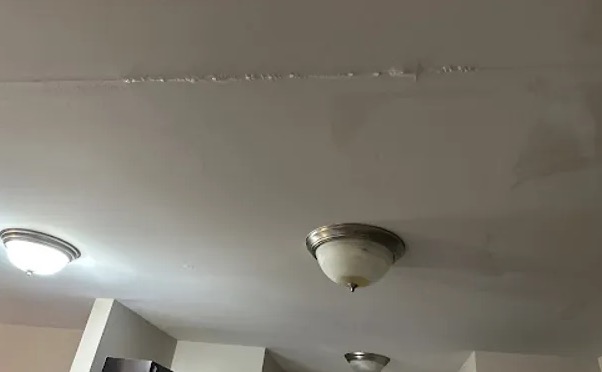
Professional Behind Wall Water Extraction in Highland Park, TX
A wall cavity has almost no airflow, so water that gets in stays in. In Highland Park homes, insulation and wood framing can remain wet long after the leak stops if nothing is done.
Homeowners in Highland Park can call (972) 736-7408 day or night when water appears from a wall. Service also covers University Park, Richardson and Farmers Branch, with the same detection and drying process.
The Behind Wall Water Extraction Process in Highland Park, TX
Hidden Water Damage Detection
Readings taken through the drywall show which sections are wet, so only those need to be opened or dried.
Interior Wall Drying Services
Wall cavity drying is checked with readings each day until studs, plates and drywall return to normal levels.
Emergency Behind Wall Water Removal
Help is available any hour when water is pouring from a wall or a pipe has burst inside it.
Wall Cavity Water Extraction
Water trapped at the bottom of a wall cavity is drained through small holes or a removed baseboard, then extracted before drying starts.
Post-Extraction Wall Sanitization
After drying, framing and the back of drywall can be cleaned and treated with an antimicrobial where they stayed wet.
Do You Need Behind Wall Water Extraction? Common Signs in Highland Park
Dampness on Wall Surfaces
A wall that feels cool and damp to the touch may have wet insulation or drywall behind it.
Increased Humidity in Home
A home that feels more humid than usual can have wet materials inside the walls.
Musty Odors in Rooms
A musty smell in one room, especially near a wall with plumbing, often points to a hidden leak.
Sagging or Drooping Drywall
Drywall that sags or droops is holding water and can fail. Keep clear and call for help.
How Behind Wall Water Extraction Works in Highland Park
Step 1: Wall Leak Source Identification
The pros trace the water to a pipe, fixture, window or roof leak and note it for repair.
Step 2: Controlled Access and Water Removal
The wall is opened only where needed, and standing water is extracted from the cavity.
Step 3: Wall Cavity Drying
Air movers and dehumidifiers dry the studs, plates and the back of the drywall.
Step 4: Damaged Material Removal and Cleanup
Drywall and insulation that cannot be saved are removed, and the area is cleaned up.
What Causes Water Behind Walls in Highland Park?
Foundation Cracks and Seepage
Groundwater seeping through foundation cracks can wet the bottom of lower-level walls.
Siding or Stucco Penetration
Cracks in siding or stucco, and gaps around fixtures, let rain into the wall cavity.
Appliance Supply Line Leaks
Supply lines for refrigerators, washers and dishwashers can leak into the wall behind them.
Roof Leak Seeping Down Walls
Rain from a roof leak can run down the inside of an exterior wall and soak the bottom of it.
Both Residential & Commercial Behind Wall Water Extraction in Highland Park
Residential Behind Wall Water Extraction
Homeowners often want to avoid tearing out whole walls. Drying through small holes or behind removed baseboards saves drywall when readings allow it.
Commercial Behind Wall Water Extraction
Commercial buildings with long plumbing runs can have leaks that travel far inside walls. Readings along the wall show the full extent before work begins.
DIY Risks for Behind Wall Water Extraction in Highland Park Homes
You can shut off the water, turn off power to outlets on the wet wall and take photos. Finding and drying water inside a wall takes meters, thermal cameras and drying equipment.
Understanding Behind Wall Water Extraction Costs in Highland Park
Plumbing or roof repairs are billed separately from water removal and drying. In Highland Park, both are needed to stop the leak for good.
Leak Source Complexity
Leaks that are hard to trace, such as roof water running down a wall, take more inspection time.
Extent of Saturation
Drywall and framing that soaked for weeks need more drying time or replacement than a fresh leak.
Access Method Needed
Drying through small holes costs less than cutting out and replacing large sections of drywall.
Does Insurance Cover Behind Wall Water Extraction?
Photograph the stain, the opened wall and the leaking pipe or fitting before repairs, and keep receipts for emergency extraction and drying.
The Value of Local Pros for Behind Wall Water Extraction in Highland Park
Moisture Barrier Expertise
Vapor barriers in exterior walls are replaced after drying, so the wall works as designed.
Industry Drying Standards
Drying follows industry water damage standards, with readings taken at every visit.
Targeted Water Extraction
Water is extracted from the cavity and floor along the wall, not just mopped from the surface.
Urgent Behind Wall Water Extraction Available 24/7 in Highland Park
Wall bulging or sagging with water? Keep clear and call (972) 736-7408 now for behind wall water extraction in Highland Park before it gives way.
Call Now (972) 736-7408Behind Wall Water Extraction in Highland Park and Other Areas Served
The places below are also served, and each one has its own page.
- Behind Wall Water Extraction in University Park
- Behind Wall Water Extraction in Richardson
- Behind Wall Water Extraction in Farmers Branch
- Behind Wall Water Extraction in Irving
- Behind Wall Water Extraction in Addison
- Behind Wall Water Extraction in Little Elm
- Behind Wall Water Extraction in North Richland Hills
- Behind Wall Water Extraction in Shady Shores
FAQ: Behind Wall Water Extraction in Highland Park, TX
How do pros find hidden water damage in walls?
With moisture meters and thermal cameras, which show wet areas behind drywall before anything is opened.
What is behind wall water extraction?
Finding water inside a wall cavity, removing it through small openings or removed drywall, and drying the framing and insulation until readings are normal.
Is wall cavity drying always needed after extraction?
Yes. Extraction removes standing water, but studs, plates and insulation stay wet inside a closed wall unless they are dried.
When is wet drywall and insulation removal required?
When drywall is soft, crumbling or wet with dirty water, or when insulation is soaked. Lightly damp drywall can sometimes be dried.
Does water extraction require cutting into drywall?
Not always. Small holes or removed baseboards are often enough. Larger cuts are made only where drywall is ruined.