Springtown, TX · Parker County
Basement Water Damage Restoration in Springtown, TXBasement Wall Drying & Basement Drying Services
Basement Water Damage Restoration in Springtown includes emergency basement flood cleanup, basement sewer backup cleanup and basement wall drying.
Answered 24/7
Expert Basement Water Damage Restoration Serving Springtown
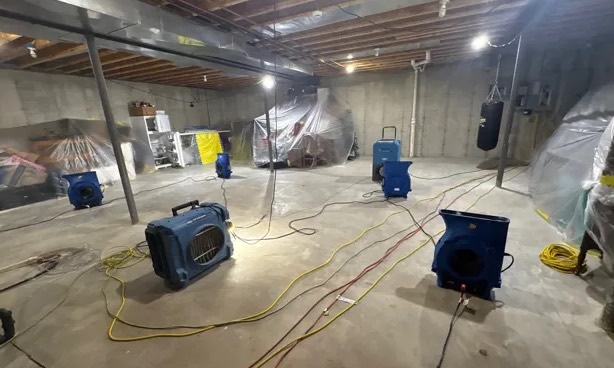
Basement Water Damage Restoration in Springtown covers finished and unfinished basements. A bare concrete basement can often be pumped and dried. A finished one usually needs carpet, pad and lower drywall removed so the walls and slab can dry.
Few homes in Springtown have basements, so this work usually covers the lowest part of a home: a sunken room, a below-grade garage, a utility room or a crawl space.
In Springtown, a home with a basement or below-grade room can flood after heavy rain or a blocked sewer line. Local water damage pros serve Springtown, Azle, Boyd and Rhome, pumping out water and drying finished and unfinished spaces.
The Basement Water Damage Restoration Process in Springtown
Basement Wall Drying
Wet drywall is cut back above the water line when it is soaked, and the wall cavity and insulation behind it are dried or replaced.
Basement Drying Services
Drying a basement takes longer than drying an upper floor because the air is cool and the concrete holds moisture.
Basement Mold Prevention
Keeping basement humidity low after drying helps prevent mold from returning, especially in finished spaces.
Basement Floor Water Removal
Wet carpet pad is removed from basement floors, since it holds water against the concrete and dries poorly.
Emergency Basement Flood Cleanup
A flooded basement can damage furnaces, water heaters and stored items quickly. Fast pumping limits how much is lost.
Warning Signs You Need Basement Water Damage Restoration
Wet or Stained Basement Walls
Dark, wet patches or tide lines on basement walls show where water seeped in or wicked up.
Damp or Musty Odors
A damp, earthy or musty smell in the basement often means hidden moisture in walls, carpet or the slab.
Rusted Appliances or Pipes
Rust on the water heater, furnace base or pipes points to repeated moisture or past flooding.
Mold on Surfaces
Dark spots on drywall, framing or stored boxes mean the area has stayed wet for days.
How Basement Water Damage Restoration Works in Springtown
Step 1: Floodwater Pump-Out
Submersible pumps remove deep water, and electrical hazards are checked before anyone walks in it.
Step 2: Deep Moisture Extraction
Extractors pull water from carpet, pad and the concrete floor after the deep water is gone.
Step 3: Air Circulation and Drying
Air movers keep dry air moving across walls and floors throughout the basement.
Step 4: Dehumidification and Verification
Dehumidifiers run until humidity and material readings confirm the basement is dry.
Common Causes of Water Damage in Springtown
Stormwater Runoff Into Lower Levels
Heavy rain running off hard ground or a sloped yard can pour down stairwells and under doors into below-grade rooms.
Plumbing Pipe Bursts or Leaks
Supply lines and drain pipes in basement ceilings can crack or burst onto the floor below.
Clogged Floor Drains
A floor drain blocked by debris cannot carry off water from a leak or overflow, so it spreads across the basement floor.
Water Heater or Appliance Leaks
Water heaters, washers and utility sinks in the basement can leak or fail without warning.
Both Residential & Commercial Basement Water Damage Restoration in Springtown
Residential Basement Water Damage Restoration
In homes, a flooded basement often means damaged carpet, drywall, a furnace or water heater and stored belongings. Water is pumped out, contents are moved and the space is dried.
Commercial Basement Water Damage Restoration
In commercial buildings, basements hold mechanical rooms, storage and sometimes offices. Water is removed and equipment areas are dried so systems can be checked and restarted.
When to DIY and When to Call the Pros for Basement Water Damage Restoration
Keeping gutters and downspouts clear and checking water heater and washer hoses are good DIY steps before storm season. Once water is on the floor, call (972) 736-7408.
What Influences Basement Water Damage Restoration Cost in Springtown
In Springtown, basement jobs often run longer than upper-floor jobs because concrete dries slowly. Equipment days make up much of the bill.
Access Complexity
Narrow stairs, low ceilings and stored contents can make the work slower.
Emergency Service
Night, weekend and storm calls can cost more than a scheduled visit.
Dehumidification Needs
Large dehumidifiers may need to run longer in below-grade spaces than in upper floors.
Does Insurance Cover Basement Water Damage Restoration?
Photos, moisture readings and drying logs from local water damage pros help support an insurance claim for basement water damage in Springtown.
The Value of Local Pros for Basement Water Damage Restoration in Springtown
Water Type Handling
Clean water, gray water and sewage are each handled with the right protection and removal steps.
Advanced Moisture Detection
Moisture meters and thermal cameras find water in walls and slabs that looks dry.
Industry Drying Standards
Drying follows industry water damage standards, with readings taken at every visit.
Round-the-Clock Emergency Basement Water Damage Restoration in Springtown
Storm night, weekend or holiday, the pros handle flooded basements in Springtown. Call (972) 736-7408 to get the pumps running and the water out.
Call Now (972) 736-7408Local Basement Water Damage Restoration Coverage: Springtown and Beyond
Help with basement water damage restoration is also available in communities near Springtown, including Azle, Boyd and Rhome, for flooded basements and sewer backups.
- Basement Water Damage Restoration in Azle
- Basement Water Damage Restoration in Boyd
- Basement Water Damage Restoration in Rhome
- Basement Water Damage Restoration in Weatherford
- Basement Water Damage Restoration in New Fairview
- Basement Water Damage Restoration in Bridgeport
- Basement Water Damage Restoration in Decatur
- Basement Water Damage Restoration in Saginaw
- Emergency Damage Restoration in 76082
- Storm Damage Restoration in 76082
- Water Damage Restoration in 76082
- Water Extraction Service in 76082
- Water Leak Detection in 76082
- Water Removal Service in 76082
FAQ for Basement Water Damage Restoration in Springtown
Why is dehumidification so important after basement water removal?
Basements hold moisture in the air and concrete. Without dehumidifiers, walls and framing stay damp long after the water is gone.
Why is quick action important for below-grade flood restoration?
Basements dry slowly, so every hour of standing water adds days of drying and more material to replace.
What is the purpose of basement wall drying?
To remove water from drywall, insulation, framing and concrete so the walls can be repaired without trapping moisture.
What does below-grade moisture removal include beyond pumping?
Extracting carpet and pad, opening wet walls, running air movers and dehumidifiers, and checking readings until dry.
What health risks come with delayed basement flood cleanup?
Standing water and wet materials can support bacteria and microbial growth, and sewage carries contaminants that need disinfection.