Lancaster, TX · Dallas County
Basement Water Damage Restoration in Lancaster, TXBasement Water Extraction & Basement Mold Prevention
Basement Water Damage Restoration in Lancaster includes emergency basement flood cleanup, basement sewer backup cleanup and basement wall drying.
Answered 24/7
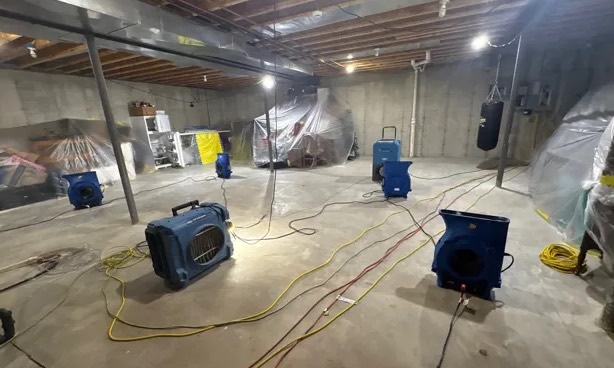
Professional Basement Water Damage Restoration in Lancaster, TX
Few homes in Lancaster have full basements, but the ones that do, along with below-grade rooms and sunken lower levels, can still flood from a burst pipe, a sewer backup or a heavy summer storm.
Basements are uncommon in Lancaster. The same extraction and drying steps apply to slab-level rooms, sunken dens and garages that take on water.
One burst pipe or heavy storm in Lancaster can flood a basement. Local water damage pros serve Lancaster and nearby DeSoto, Red Oak and Glenn Heights, with help available around the clock.
Basement Water Damage Restoration Solutions Available in Lancaster
Basement Water Extraction
Basement water is removed before drying starts, because every gallon left behind keeps the walls and air damp.
Basement Mold Prevention
Fast extraction and drying are the main ways to limit microbial growth in a basement. Surfaces that stayed wet can be treated once dry.
Basement Wall Drying
Wet drywall is cut back above the water line when it is soaked, and the wall cavity and insulation behind it are dried or replaced.
Basement Drying Services
Equipment is adjusted each day based on moisture readings until every material reaches its normal level.
Emergency Basement Flood Cleanup
A flooded basement can damage furnaces, water heaters and stored items quickly. Fast pumping limits how much is lost.
When to Consider Basement Water Damage Restoration for Your Lancaster Home
Wet or Stained Basement Walls
Dark, wet patches or tide lines on basement walls show where water seeped in or wicked up.
Warped or Buckling Basement Floors
Laminate, wood or vinyl flooring that buckles or lifts in the basement has water underneath.
Efflorescence on Concrete Walls
White, chalky deposits on concrete walls mean water is moving through the concrete and leaving minerals behind.
Condensation on Windows or Pipes
Water beading on cold pipes or basement windows shows high humidity that keeps materials damp.
How Basement Water Damage Restoration Works in Lancaster
Step 1: Initial Assessment and Water Removal
The source and type of water are identified, and standing water is removed right away.
Step 2: Focused Drying of Materials
Walls, framing and the slab are dried with directed airflow, with wet insulation removed.
Step 3: Air Quality Management
Air scrubbers filter dust and odors from removal work while drying continues.
Step 4: Documentation for Restoration
Photos, readings and a list of removed materials are prepared for insurance and rebuilding.
Common Causes of Water Damage in Lancaster
Stormwater Runoff Into Lower Levels
Heavy rain running off hard ground or a sloped yard can pour down stairwells and under doors into below-grade rooms.
Failed or Clogged Drain Tile
Clogged or collapsed drain tile around the foundation lets water build up against the walls.
Clogged Floor Drains
A floor drain blocked by debris cannot carry off water from a leak or overflow, so it spreads across the basement floor.
Water Heater or Appliance Leaks
Water heaters, washers and utility sinks in the basement can leak or fail without warning.
Both Residential & Commercial Basement Water Damage Restoration in Lancaster
Residential Basement Water Damage Restoration
A sewer backup in a home basement needs contaminated carpet, pad and drywall removed and every hard surface disinfected before drying.
Commercial Basement Water Damage Restoration
In restaurants and stores with basements, sewage backups need fast containment so contamination does not reach food or customer areas.
DIY vs. Professional Basement Water Damage Restoration in Lancaster
Do not walk into standing basement water if outlets, cords or appliances are submerged. Shut off power at the panel if you can reach it safely, then call (972) 736-7408.
Understanding Basement Water Damage Restoration Pricing in Lancaster
A basement pumped and dried right away in Lancaster usually costs less than one left wet for days, when more drywall and flooring are lost.
Water Category
Clean water costs less to handle than sewage, which needs protective gear, removal and disinfection.
Material Saturation
Finished basements with carpet, drywall and insulation take more removal work than bare concrete.
Secondary Damage
Damage to furnaces, water heaters and belongings adds repair and replacement costs.
Does Insurance Cover Basement Water Damage Restoration?
Flood damage from rising outside water usually needs flood insurance. Water from inside the home, like a broken pipe, is more often covered.
Why Choose Local Pros for Basement Water Damage Restoration in Lancaster
Mold Prevention Focus
Fast drying is the main way to limit microbial growth in a below-grade space.
Industry Drying Standards
Drying follows industry water damage standards, with readings taken at every visit.
Advanced Moisture Detection
Moisture meters and thermal cameras find water in walls and slabs that looks dry.
Round-the-Clock Emergency Basement Water Damage Restoration in Lancaster
Storm night, weekend or holiday, local water damage pros handle flooded basements in Lancaster. Call (972) 736-7408 to get the pumps running and the water out.
Call Now (972) 736-7408Local Basement Water Damage Restoration Coverage: Lancaster and Beyond
Need basement water damage restoration outside Lancaster? Service also covers DeSoto, Red Oak and Glenn Heights, including emergency help during storms.
- Basement Water Damage Restoration in DeSoto
- Basement Water Damage Restoration in Red Oak
- Basement Water Damage Restoration in Glenn Heights
- Basement Water Damage Restoration in Duncanville
- Basement Water Damage Restoration in Balch Springs
- Basement Water Damage Restoration in Seagoville
- Basement Water Damage Restoration in Mesquite
- Basement Water Damage Restoration in Grand Prairie
- Emergency Damage Restoration in 75134
- Storm Damage Restoration in 75134
- Water Damage Restoration in 75134
- Water Extraction Service in 75134
- Water Leak Detection in 75134
- Water Removal Service in 75134
- Emergency Damage Restoration in 75146
- Storm Damage Restoration in 75146
Frequently Asked Questions About Basement Water Damage Restoration
What is the purpose of basement wall drying?
To remove water from drywall, insulation, framing and concrete so the walls can be repaired without trapping moisture.
Is basement floor water removal different from carpet extraction?
Yes. Bare concrete is squeegeed and dried, while carpet and pad need extraction, and the pad is usually replaced.
What is involved in basement water damage restoration?
Pumping out water, removing soaked materials, cleaning contaminated areas, drying walls, framing and concrete, and dehumidifying until readings are normal.
Why is dehumidification so important after basement water removal?
Basements hold moisture in the air and concrete. Without dehumidifiers, walls and framing stay damp long after the water is gone.
What does below-grade moisture removal include beyond pumping?
Extracting carpet and pad, opening wet walls, running air movers and dehumidifiers, and checking readings until dry.