Copper Canyon, TX · Denton County
Attic Water Removal in Copper Canyon, TXAttic Leak Water Cleanup & Attic Moisture Inspection
Attic Water Removal in Copper Canyon runs from roof leak water removal and wet attic insulation removal to ceiling water damage cleanup.
Answered 24/7
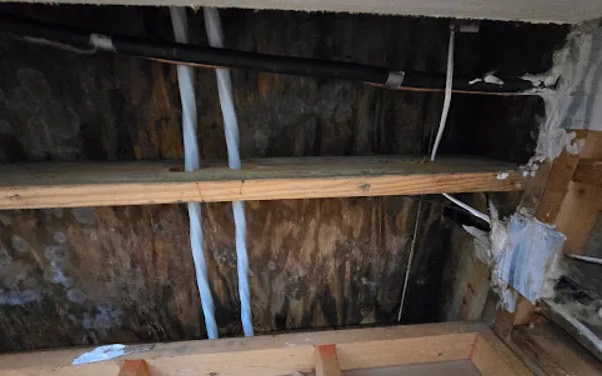
Attic Water Removal Services for Copper Canyon Homes
Getting water out of an attic is slow, careful work. Joists are narrow, the space is cramped and the ceiling below cannot take any weight. In Copper Canyon, the pros bring boards, lights and gear sized for attic work.
Homeowners in Copper Canyon can call (972) 736-7408 day or night when water starts coming through the ceiling. Service also covers Lantana, Double Oak and Highland Village, with the same inspection and drying steps.
The Attic Water Removal Process in Copper Canyon
Attic Leak Water Cleanup
Cleanup focuses on the low spots where water collects: the bays between joists, the area around the hatch and the space under an air handler.
Attic Moisture Inspection
Moisture meters and thermal cameras check rafters, decking, insulation and the ceiling below, even in spots that look dry.
Roof Leak Water Removal
A temporary tarp over the damaged section keeps more rain out until the roofer can make a permanent repair.
Attic Drying Services
Equipment is adjusted daily, moving airflow from areas that are dry to areas that still read wet.
Emergency Attic Water Extraction
Emergency extraction starts with buckets and containment under active drips, then moves to pulling pooled water off the attic floor.
Warning Signs You Need Attic Water Removal
Increased Indoor Humidity Levels
Upstairs rooms that feel sticky or humid may have moisture coming down from the attic.
Sagging or Bubbling Ceiling Drywall
Ceiling drywall that sags, bulges or bubbles at the seams is holding water and may fall.
Condensation on Attic Windows or Nails
Damp nail tips or water droplets on attic surfaces point to moisture or ventilation problems.
Water Stains on Ceiling
A brown ring or yellow patch on an upstairs ceiling usually means water is sitting on the drywall from the attic.
How Attic Water Removal Works in Copper Canyon
Step 1: Initial Attic Water Damage Assessment
The pros check safety, find the source and map the wet area with moisture meters.
Step 2: Bulk Water and Material Removal
Pooled water, soaked insulation and any sagging drywall are removed from the attic and ceiling.
Step 3: Attic Drying and Evaporation
Warm, dry airflow is aimed at wet wood, with dehumidifiers removing the moisture it releases.
Step 4: Attic Mold Prevention
Once dry, decking and framing that stayed wet can be cleaned and treated with an antimicrobial.
Leading Origins of Attic Water Damage
Burst or Leaking Plumbing Pipes
Supply lines and drain pipes in the attic can crack or burst onto the ceiling.
Overflow From Clogged Bathroom Exhaust Ducts
Bathroom fan ducts that are loose or vented into the attic release moisture onto the wood.
Flashing Failures Around Roof Penetrations
Failed flashing around vents, chimneys and skylights lets rain run into the attic.
Clogged or Disconnected Gutters
Clogged or loose gutters let water back up under the roof edge and into the soffits.
Attic Water Removal for All Property Types in Copper Canyon
Residential Attic Water Removal
Homeowners with stored items in the attic need those moved out first. Wet boxes are dried or discarded before the attic floor is cleaned and dried.
Commercial Attic Water Removal
Offices and stores need the space below protected while attic work is under way. Drying is planned around business hours where possible.
Attic Water Removal vs. DIY: When to Call the Pros
If you can do it safely, look into the attic with a flashlight to find the wet area. Removing soaked insulation and drying the framing needs boards, protective gear and equipment.
Attic Water Removal Cost in Copper Canyon, TX
The cost of attic water removal in Copper Canyon depends on how far the water spread, how much insulation is wet and whether ceiling drywall below must be replaced.
Mold Prevention Measures
Antimicrobial treatment of wood that stayed wet is an added step, priced by area.
Extent of Water Damage
A leak confined to one bay costs less than water spread across the attic and the rooms below.
Water Contamination Level
Clean rainwater is simpler to handle than water from a drain line or other dirty source.
Does Insurance Cover Attic Water Removal?
Insurers often ask what caused the leak and how long it ran. Notes on the entry point and roof condition help answer those questions.
Selecting Local Pros in Copper Canyon for Attic Water Removal
Post-Cleanup Verification
Final readings confirm the attic is dry before new insulation goes in.
Damage Documentation
Photos, readings and a list of removed materials are kept for insurance.
Dehumidification Equipment
Dehumidifiers sized for the attic remove moisture much faster than roof vents and open hatches alone.
Round-the-Clock Attic Water Removal for Copper Canyon
Wet insulation keeps the ceiling soaking every hour it stays. Call (972) 736-7408 for attic water removal in Copper Canyon as soon as you see a stain or drip.
Call Now (972) 736-7408Communities Served for Attic Water Removal
Help with attic water removal is also available in communities near Copper Canyon, including Lantana, Double Oak and Highland Village, for roof leaks and attic plumbing failures.
Frequently Asked Questions About Attic Water Removal
How long does attic drying take?
Often several days, depending on how wet the wood is, the attic temperature and how much insulation was removed.
What are attic dehumidification services?
Dehumidifiers placed in the attic pull moisture from the air and wood, speeding drying after a leak.
Do I need ceiling water damage cleanup too?
Usually. Water in the attic soaks the ceiling below, which needs to be checked and dried or replaced.
Will attic water damage cause mold?
It can if wood and insulation stay wet for days. Fast removal and drying are the main ways to prevent mold.
What causes attic water damage?
Roof leaks, plumbing failures, attic AC overflows, water heater leaks, loose bath fan ducts and poor ventilation.