Lucas, TX · Collin County
Attic Water Damage Restoration in Lucas, TXAttic Leak Water Cleanup & Wet Attic Insulation Removal
Attic Water Damage Restoration in Lucas includes roof leak water removal, ceiling water damage cleanup and attic moisture inspection.
Answered 24/7
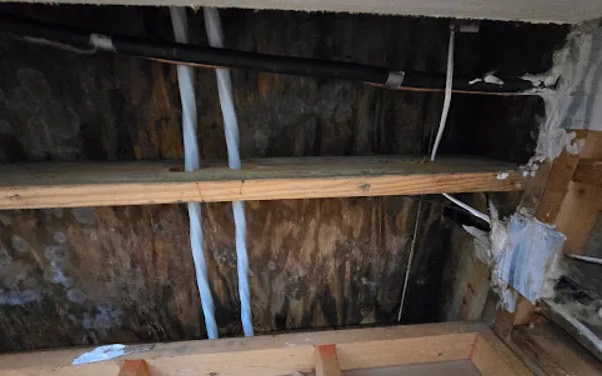
Attic Water Damage Restoration Solutions in Lucas
Wet attic insulation is heavy and holds water against the ceiling drywall. In Lucas homes, that weight and moisture can make a ceiling sag and eventually fall if the insulation is not removed.
A storm leak in Lucas can soak attic insulation in one night. Local restoration specialists serve Lucas and nearby Murphy, Wylie and Allen, with help available around the clock.
Comprehensive Attic Water Damage Restoration for Lucas
Attic Leak Water Cleanup
After a leak, the attic is checked from the roof deck down to the ceiling below, and all standing water and soaked debris are taken out.
Wet Attic Insulation Removal
Blown-in insulation that got wet clumps and packs down. It is vacuumed out of the affected area and replaced after the attic is dry.
Attic Drying Services
Equipment is placed on boards or platforms in the attic so it can run safely without stressing the ceiling drywall.
Attic Moisture Inspection
Moisture meters and thermal cameras check decking, rafters, insulation and the ceiling below to find every wet area.
Attic Mold Prevention
Drying wet wood quickly is the main way to limit microbial growth in an attic. Decking and rafters that stayed damp can be treated once dry.
Warning Signs You Need Attic Water Damage Restoration
Visible Mold in Attic
Dark spots on roof decking or rafters mean the wood has stayed damp for some time.
High Energy Bills
Wet insulation loses its insulating value, so heating and cooling bills can rise after a leak.
Musty Odors in Home
A musty or damp smell on the upper floor can point to wet insulation or wood in the attic.
Wet or Sagging Insulation
Insulation that looks matted, dark or compressed, or sags between joists, has absorbed water.
How Attic Water Damage Restoration Works in Lucas
Step 1: Source Stop and Water Extraction
A tarp is placed over roof damage or the pipe is shut off, and water in the attic is removed.
Step 2: Removal of Damaged Materials
Ruined insulation and sagging ceiling drywall are removed to stop further damage and open the area to air.
Step 3: Attic Drying
Dehumidifiers and air movers run until wood framing and decking return to normal moisture levels.
Step 4: Cleaning and Odor Removal
Debris is cleared, dust is cleaned from the room below, and musty odors are addressed.
Typical Sources of Attic Moisture Issues
Burst or Leaking Plumbing Pipes
Supply lines and water heaters in the attic can leak or burst directly onto the ceiling.
Roof Leaks and Damaged Shingles
Missing, cracked or lifted shingles let rain reach the roof deck and drip into the attic.
Clogged or Damaged Gutters
Clogged gutters overflow at the roof edge, pushing water under shingles and into the soffits.
Attic Appliance Leaks
AC air handlers in the attic overflow when the condensate line clogs or the pan cracks.
Home and Business Attic Water Damage Restoration Services
Residential Attic Water Damage Restoration
In two-story homes, an attic leak can affect both upstairs ceilings and the walls below them. Each wet area is checked with a meter and dried.
Commercial Attic Water Damage Restoration
Flat-roof commercial buildings often have leaks that travel before dripping. The pros trace the water path to find every wet section above the ceiling.
Why DIY Attic Water Damage Restoration Often Fails in Lucas
Never step between attic joists, since the ceiling drywall will not hold your weight. If water is pooling up there, call (972) 736-7408 instead of trying to reach it yourself.
Cost Considerations for Attic Water Damage Restoration Work
Roof repair is a separate cost from water removal and drying. In Lucas, both are usually needed after a roof leak.
Ceiling Repair Needs
Replacing, taping and painting ceiling drywall after drying adds to the total.
Mold Prevention Measures
Antimicrobial treatment of decking and rafters that stayed wet is an added cost.
Extent of Water Intrusion
A small leak at one spot costs less to dry than water spread across the attic and the rooms below.
Does Insurance Cover Attic Water Damage Restoration?
Take photos of the ceiling, the attic and any storm damage on the roof before cleanup starts. Keep receipts for tarping and emergency drying.
Why Choose Local Pros for Attic Water Damage Restoration in Lucas
Ceiling Damage Mitigation
Sagging ceiling drywall is drained and removed safely before it can fall.
Mold Prevention Focus
Fast drying of wood framing is the main way to limit microbial growth after a leak.
Roof Leak Location
The leak point is marked and photographed so the roofer can fix the right spot.
24/7 Attic Water Damage Restoration Response for Lucas
Ceiling bulging or sagging? Keep everyone out of the room below it and call (972) 736-7408 now for attic water damage restoration in Lucas.
Call Now (972) 736-7408Attic Water Damage Restoration Throughout Collin County
Each place listed below has its own page with local details.
- Attic Water Damage Restoration in Murphy
- Attic Water Damage Restoration in Wylie
- Attic Water Damage Restoration in Allen
- Attic Water Damage Restoration in Fairview
- Attic Water Damage Restoration in Sachse
- Attic Water Damage Restoration in DeSoto
- Attic Water Damage Restoration in Everman
- Attic Water Damage Restoration in Mesquite
Frequently Asked Attic Water Damage Restoration Questions
What causes attic leaks besides storms?
Worn flashing, clogged gutters, attic AC overflows, plumbing leaks and bathroom fans venting into the attic.
Why is an attic moisture inspection important after a leak?
Water spreads along rafters and insulation away from the drip point. Meters find all of it, so nothing is left wet.
What equipment is used for attic water removal?
Wet vacs, air movers, dehumidifiers, moisture meters and thermal cameras, plus bags and HEPA vacuums for insulation removal.
What is involved in emergency attic water extraction?
Catching active drips, removing pooled water from decking and drywall tops, and starting drying before the ceiling below is ruined.
What are common signs of poor attic ventilation?
Damp or dark roof decking, rusted nails, musty smells and condensation on the underside of the roof.