Glenn Heights, TX · Dallas County
Attic Water Damage Restoration in Glenn Heights, TXAttic Mold Prevention & Roof Leak Water Removal
Attic Water Damage Restoration in Glenn Heights runs from roof leak water removal and attic leak water cleanup to attic drying services.
Answered 24/7
Get Help with Attic Water Damage Restoration in Glenn Heights
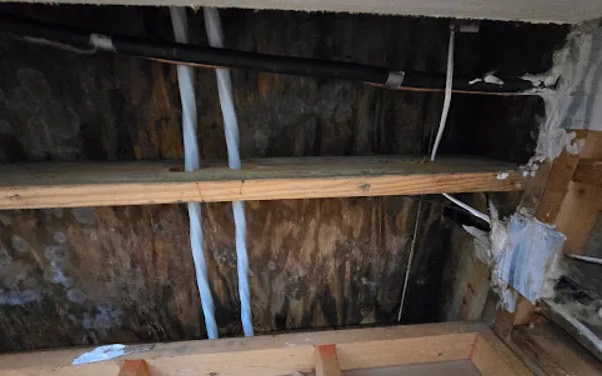
In Glenn Heights, attics get hot in summer and damp in cooler months. That cycle matters after a leak: heat can speed drying, but poor ventilation can trap moisture and keep wood damp.
Homes in Glenn Heights and nearby DeSoto, Red Oak and Lancaster see attic leaks from roof damage, AC drain pans in the attic and bathroom vent ducts. Help with attic water damage restoration covers water removal, insulation removal and drying of the attic and the ceiling below.
Comprehensive Attic Water Damage Restoration for Glenn Heights
Attic Mold Prevention
Poor ventilation keeps attics damp. Blocked soffit vents or a disconnected bath fan duct are pointed out so moisture does not return.
Roof Leak Water Removal
A roof leak often drips in one spot but spreads along rafters and decking. The pros follow the water path to find every wet area.
Attic Moisture Inspection
Readings are recorded before and during drying, giving you and your insurer a clear record of the attic damage.
Wet Attic Insulation Removal
Blown-in insulation that got wet clumps and packs down. It is vacuumed out of the affected area and replaced after the attic is dry.
Ceiling Water Damage Cleanup
Damaged ceiling drywall below the attic is removed, the cavity is dried, and the ceiling is ready for patching once readings are normal.
When to Call for Attic Water Damage Restoration in Glenn Heights
High Energy Bills
Wet insulation loses its insulating value, so heating and cooling bills can rise after a leak.
Water Stains on Ceiling
Brown rings or yellow spots on an upstairs ceiling usually mean water is sitting on the drywall from above.
Dripping Sounds From Ceiling
Dripping or tapping sounds above the ceiling, especially during rain, mean water is getting in.
Rust on Nails or Vents
Rusted nail tips, vent flanges or metal straps in the attic point to repeated moisture.
How Attic Water Damage Restoration Works in Glenn Heights
Step 1: Source Stop and Water Extraction
A tarp is placed over roof damage or the pipe is shut off, and water in the attic is removed.
Step 2: Removal of Damaged Materials
Ruined insulation and sagging ceiling drywall are removed to stop further damage and open the area to air.
Step 3: Attic Drying
Dehumidifiers and air movers run until wood framing and decking return to normal moisture levels.
Step 4: Cleaning and Odor Removal
Debris is cleared, dust is cleaned from the room below, and musty odors are addressed.
Typical Sources of Attic Moisture Issues
Storm Damage From Wind or Hail
Wind and hail can tear shingles or puncture the roof, letting rain in during the storm.
Burst or Leaking Plumbing Pipes
Supply lines and water heaters in the attic can leak or burst directly onto the ceiling.
Condensation From Poor Ventilation
Warm, moist air from the house condenses on cold roof decking when the attic is poorly vented.
Improperly Sealed Roof Penetrations
Gaps around vents, pipes and antennas that pass through the roof let water in when seals fail.
Home and Business Attic Water Damage Restoration Services
Residential Attic Water Damage Restoration
In two-story homes, an attic leak can affect both upstairs ceilings and the walls below them. Each wet area is checked with a meter and dried.
Commercial Attic Water Damage Restoration
Flat-roof commercial buildings often have leaks that travel before dripping. The pros trace the water path to find every wet section above the ceiling.
Attic Water Damage Restoration vs. DIY: When to Call the Pros
Fixing the roof stops new water but does not dry what is already wet. After any roof repair, have the attic checked for damp insulation and wood.
Cost Considerations for Attic Water Damage Restoration Work
In Glenn Heights, insulation removal and ceiling repair often make up a large share of the bill, along with drying equipment days in the attic.
Affected Attic Materials
Wet insulation, decking and ceiling drywall that must be removed add labor and disposal costs.
Required Drying Time
Dense wood framing can take several days to dry, adding equipment time.
Ceiling Repair Needs
Replacing, taping and painting ceiling drywall after drying adds to the total.
Does Insurance Cover Attic Water Damage Restoration?
Insurers often ask what caused the leak and how long it ran. Notes on the leak point and the condition of the roof help answer those questions.
Benefits of Local Pros for Attic Water Damage Restoration in Glenn Heights
Ceiling Damage Mitigation
Sagging ceiling drywall is drained and removed safely before it can fall.
Mold Prevention Focus
Fast drying of wood framing is the main way to limit microbial growth after a leak.
Full Attic Assessment
The whole attic is checked, from the roof deck to the ceiling below, not just the leak spot.
Round-the-Clock Attic Water Damage Restoration in Glenn Heights
If water is coming through a light fixture, turn off that circuit at the panel and keep clear. Then call (972) 736-7408 for help in Glenn Heights.
Call Now (972) 736-7408Local Attic Water Damage Restoration Coverage Area
The places below are also served, and each one has its own page.
- Attic Water Damage Restoration in DeSoto
- Attic Water Damage Restoration in Red Oak
- Attic Water Damage Restoration in Lancaster
- Attic Water Damage Restoration in Duncanville
- Attic Water Damage Restoration in Midlothian
- Attic Water Damage Restoration in Sanger
- Attic Water Damage Restoration in Azle
- Attic Water Damage Restoration in Celina
Your Attic Water Damage Restoration Questions Resolved
Why is an attic moisture inspection important after a leak?
Water spreads along rafters and insulation away from the drip point. Meters find all of it, so nothing is left wet.
Does a roof leak always cause attic mold growth?
No. Mold is more likely when wood and insulation stay wet for days, so drying is the main way to prevent it.
What is involved in emergency attic water extraction?
Catching active drips, removing pooled water from decking and drywall tops, and starting drying before the ceiling below is ruined.
What are common signs of poor attic ventilation?
Damp or dark roof decking, rusted nails, musty smells and condensation on the underside of the roof.
What is structural drying for an attic?
Drying the rafters, joists and roof decking with directed airflow and dehumidifiers until moisture readings return to normal.