Behind Wall Water Extraction in Crowley, TX: What You Need to Know
Did you know that behind wall water extraction is often the most expensive part of water damage restoration? According to industry estimates, it can account for up to 70% of the total cost. This is because it needs specialized equipment and trained technicians to safely remove water from behind walls without causing further damage. If not done correctly, it can lead to costly repairs and even health hazards.
With over 165 five-star reviews, our team is the go-to choice for homeowners in the area with behind wall water extraction. Our technicians have the expertise and training to handle even the most complex cases, and our commitment to customer satisfaction has earned us a reputation for excellence in the community.
- Quick response times: We’ll arrive at your property within 60 minutes of your call to assess the damage and start the extraction process.
- Advanced equipment: Our technicians use state-of-the-art equipment to safely remove water from behind walls without causing further damage.
- Insurance expertise: Our team will work closely with your insurance company to ensure a smooth claims process and reduce your out-of-pocket costs.
How Behind Wall Water Extraction Actually Works
Behind wall water extraction is a complex process that needs specialized equipment and trained technicians. Our team will use a combination of vacuum extraction and drying equipment to remove water from behind walls, and then work with you to document the damage and file an insurance claim. We’ll also provide you with a detailed estimate of the costs involved and work with you to reduce your expenses.
Step 1: Assessment and Planning
Our technicians will arrive at your property and assess the damage to find out the best course of action for the extraction process. This includes identifying the source of the water, evaluating the extent of the damage, and developing a plan to safely remove the water and reduce further damage.
Step 2: Water Removal
Using specialized equipment, our technicians will carefully remove the water from behind walls, taking care to avoid causing further damage or dislodging surrounding materials.
Step 3: Drying and Dehumidification
Once the water has been removed, our technicians will use drying and dehumidification equipment to dry out the affected area and prevent further damage from moisture.
Step 4: Cleaning and Disinfecting
Our technicians will thoroughly clean and disinfect the affected area to prevent the growth of mold and mildew.
Step 5: Repair and Restoration
Finally, our technicians will work with you to repair and restore your property to its pre-damage condition, including any necessary repairs to walls, floors, and ceilings.
Don’t wait until the damage is too extensive to handle. Call us today to schedule an appointment and take the first step towards restoring your property to its former glory.

Warning Signs You Need Behind Wall Water Extraction
Ignoring warning signs of behind wall water extraction can lead to costly repairs and even health hazards. Here are some common signs to look out for:
Musty Odors That Won’t Go Away
Strong, persistent odors can show that water is trapped behind your walls, creating an ideal environment for mold and mildew growth.
Warped or Cracked Walls
Water damage can cause walls to warp or crack, leading to further damage and potential health hazards.
Discoloration or Staining
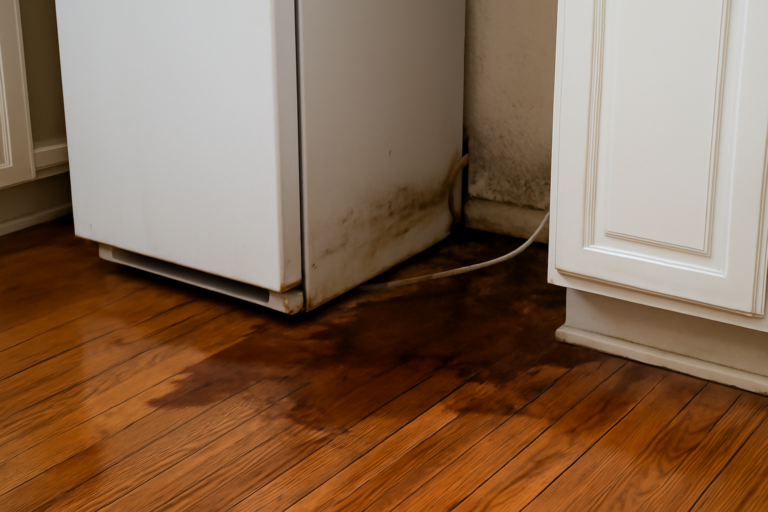
Discoloration or staining on walls, ceilings, or floors can show that water has seeped into the area.
Water Stains or Leaks
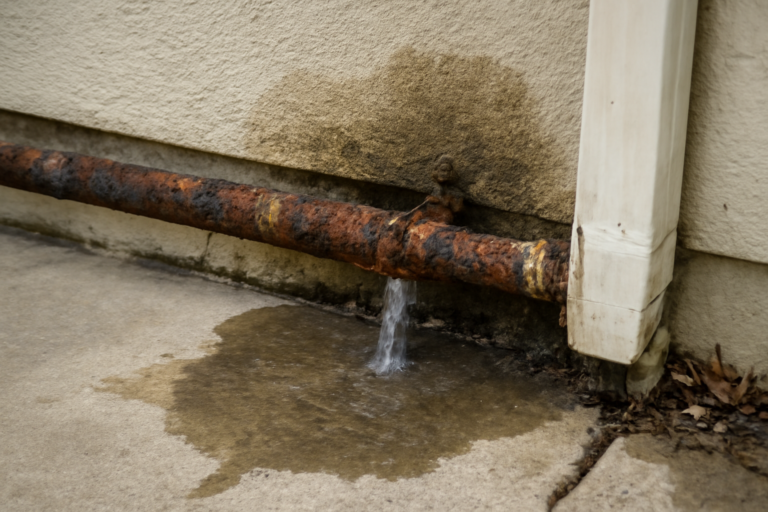
Visible water stains or leaks can show that water is entering your walls, and behind wall water extraction is necessary to prevent further damage.
Soggy or Bulging Floors
Soggy or bulging floors can show that water has accumulated beneath the surface, needing behind wall water extraction to prevent further damage.
Unusual Sounds or Creaks
Unusual sounds or creaks from your walls or floors can show that water is trapped behind them, needing behind wall water extraction to prevent further damage.
Behind Wall Water Extraction vs. DIY: When to Call a Professional
| Situation | DIY? | Call a Pro? | Why |
|---|---|---|---|
| Water damage to a small area, such as a single room | Yes | No | DIY methods can be effective for small areas, but may not be enough for larger or more extensive damage. |
| Water damage to a large area, such as an entire floor or multiple rooms | No | Yes | Behind wall water extraction needs specialized equipment and training to ensure safe and effective removal of water from behind walls. |
| Water damage caused by a burst pipe or other sudden event | No | Yes | Behind wall water extraction is necessary to prevent further damage and ensure a smooth claims process with your insurance company. |
| Water damage caused by a slow leak or other gradual event | Maybe | Yes | Behind wall water extraction may be necessary to prevent further damage, but DIY methods may be enough for small or slow leaks. |
While DIY methods may be enough for small or minor water damage, behind wall water extraction needs specialized equipment and training to ensure safe and effective removal of water from behind walls. If you’re unsure whether to call a professional or try DIY methods, it’s always best to err on the side of caution and seek professional help.
Behind Wall Water Extraction Cost in Crowley, TX
The cost of behind wall water extraction in Crowley, TX can vary depending on the severity and extent of the damage, as well as the size of the affected area. On average, you can expect to pay between $500 and $2,500 for behind wall water extraction, although this can range up to $5,000 or more in extreme cases.
| Service | Typical Price Range | What Affects Cost |
|---|---|---|
| Assessment and planning | $100 – $500 | The extent of the damage, the size of the affected area, and the complexity of the job |
| Water removal | $500 – $2,000 | The amount of water to be removed, the size of the affected area, and the complexity of the job |
| Drying and dehumidification | $200 – $1,000 | The amount of moisture to be removed, the size of the affected area, and the complexity of the job |
| Cleaning and disinfecting | $100 – $500 | The extent of the contamination, the size of the affected area, and the complexity of the job |
Exact pricing will depend on an on-site assessment, and we offer free estimates to help you plan and budget for the work. Don’t wait until the damage is too extensive to handle, call us today to schedule an appointment and take the first step towards restoring your property to its former glory.
Service Areas Near Crowley, TX
We serve the following communities and surrounding areas:
Arlington, Azle, Bedford, Benbrook, Burleson, Colleyville, Crowley, Dallas, Everman, Euless, Forest Hill, Fort Worth, Grapevine, Haltom City, Haslet, Hurst, Keller, Lake Worth, Mansfield, North Richland Hills, Pantego, Richland Hills, River Oaks, Saginaw, Southlake, Watauga, Westlake, White Settlement, Weatherford, and more.
Common Questions About Behind Wall Water Extraction
Q: Will my insurance cover behind wall water extraction?
A: Yes, most insurance policies cover behind wall water extraction, but it’s essential to work with a reputable company that can help you navigate the claims process and reduce your out-of-pocket costs.
Q: How long does behind wall water extraction take?
A: The length of time it takes to complete behind wall water extraction can vary depending on the severity and extent of the damage, as well as the size of the affected area. On average, it can take anywhere from a few hours to several days to complete the job.
Q: Is behind wall water extraction a messy process?
A: Yes, behind wall water extraction can be a messy process, but our technicians will take every precaution to reduce the impact on your property and belongings.
Q: Can I do behind wall water extraction myself?
A: While it may be possible to try behind wall water extraction yourself, it’s not recommended. Without proper training and equipment, you risk causing further damage and even health hazards.
Q: How do I prevent behind wall water extraction in the future?
A: Regular maintenance, such as checking for leaks and ensuring proper drainage, can help prevent behind wall water extraction in the future.