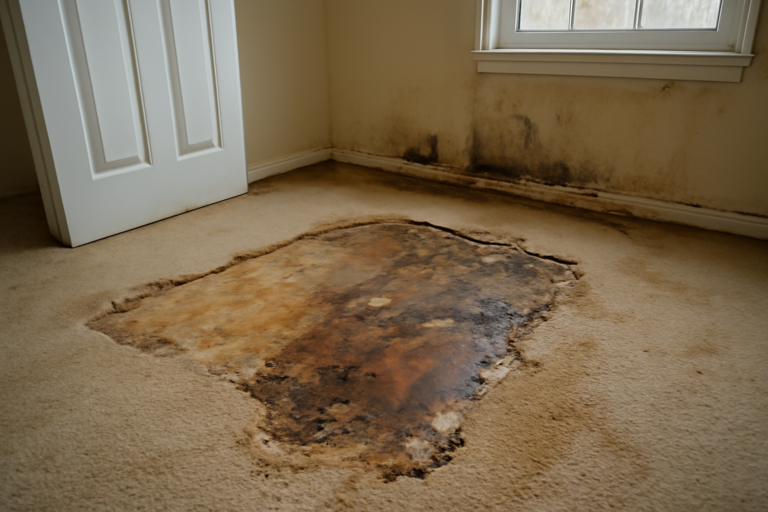
Water Damage in Your Ceiling: A Hidden Threat to Your Home’s Integrity
Did you know that water damage in your ceiling can cause significant structural issues, leading to costly repairs or even complete replacement? In fact, according to industry experts, up to 70% of water damage claims involve ceiling damage, with the average claim totaling over $5,000. If you live in North Richland Hills, TX you’re not immune to this risk. Water can seep into your ceiling through various means, including roof leaks, appliance malfunctions, or even flooding from nearby sources. It’s essential to address these issues quickly to prevent further damage and potential health hazards.
Our team has helped countless homeowners in the area navigate the complexities of ceiling water damage repair. With over 165 five-star reviews, you can trust us to handle your property with care and professionalism. Our technicians are IICRC certified and equipped to tackle even the toughest water damage jobs.
- We’ll help you document damage for insurance claims, ensuring you receive the compensation you deserve.
- Our crew will work tirelessly to remove standing water, dry out affected areas, and prevent mold growth.
- We’ll also provide you with a detailed plan to prevent future water damage, including recommendations for roof maintenance and appliance upkeep.
The Ceiling Water Damage Repair Process: What to Expect
When you call our team, you can expect a thorough assessment of the damage, followed by a clear plan of action. Our process involves several key steps:
Step 1: Assessment and Documentation
We’ll send a certified technician to assess the damage and document the affected areas. This step is crucial in determining the extent of the damage and the necessary repairs. Our technician will take photos and notes to support your insurance claim.
Step 2: Water Removal and Drying
Once we’ve assessed the damage, our crew will begin removing standing water and drying out the affected areas using specialized equipment. This step is critical in preventing mold growth and further damage.
Step 3: Mold Remediation
If mold is present, our team will use eco-friendly remediation techniques to remove it safely and effectively. We’ll also provide recommendations for preventing future mold growth.
Step 4: Repair and Replacement
Our technicians will repair or replace any damaged ceiling materials, including drywall, insulation, and roofing elements. We’ll work with you to ensure that the repairs meet your needs and budget.
Step 5: Final Inspection and Quality Control
Once the repairs are complete, our team will conduct a final inspection to ensure that the work meets our high standards. We’ll also provide you with a detailed report outlining the work completed and any recommendations for future maintenance.
Don’t wait until the damage is irreversible. Contact our team today to schedule a consultation and take the first step towards restoring your home’s integrity.

Warning Signs You Need Ceiling Water Damage Repair
Catching these signs early can save you thousands of dollars in repairs and prevent potential health hazards. Look out for:
Musty Odors That Won’t Go Away
If you notice a persistent musty smell in your home, it could be a sign of water damage. Our technicians can help you identify the source of the odor and provide a solution to remove it.
Water Stains on Your Ceiling
Water stains on your ceiling can show a leak or water damage. Don’t ignore these signs, call our team to assess the damage and provide a plan for repair.
Warped or Buckled Ceiling Tiles
Warped or buckled ceiling tiles can be a sign of water damage. Our team can help you replace or repair the affected tiles to prevent further damage.
Peeling Paint or Wallpaper
Peeling paint or wallpaper can show water damage or high humidity levels. Our technicians can help you identify the cause and provide a solution to prevent further damage.
Unusual Noises Coming from Your Ceiling
Unusual noises coming from your ceiling can be a sign of water damage or structural issues. Don’t ignore these signs, call our team to assess the damage and provide a plan for repair.
Ceiling Water Damage Repair vs. DIY: When to Call a Professional
| Situation | DIY? | Call a Pro? | Why |
|---|---|---|---|
| Small leak under a single ceiling tile | Yes | No | You can likely replace the tile yourself. |
| Large water stain on your ceiling | No | Yes | A professional assessment is needed to find out the extent of the damage. |
| Water damage from a roof leak | No | Yes | A professional roof inspection and repair are necessary to prevent further damage. |
| Musty odors and warping ceiling tiles | No | Yes | A professional assessment and remediation are needed to prevent mold growth and further damage. |
| Water damage from a pipe burst | No | Yes | A professional assessment and repair are necessary to prevent further damage and potential health hazards. |
Don’t risk your home’s integrity by trying to tackle ceiling water damage repair yourself. Our team has the expertise and equipment to handle even the toughest jobs. Contact us today to schedule a consultation and take the first step towards restoring your home’s integrity.
Ceiling Water Damage Repair Cost in North Richland Hills, TX
The cost of ceiling water damage repair can vary depending on the severity of the damage, the size of the affected area, and local conditions in North Richland Hills, TX. These estimates are based on our experience and may not reflect the actual cost of your repairs.
| Service | Typical Price Range | What Affects Cost |
|---|---|---|
| Water Removal and Drying | $500 – $2,500 | Size of affected area, type of equipment needed |
| Mold Remediation | $1,000 – $5,000 | Severity of mold growth, type of remediation needed |
| Repair and Replacement | $2,000 – $10,000 | Size of affected area, type of materials needed |
| Final Inspection and Quality Control | $200 – $1,000 | Complexity of repairs, number of inspections needed |
| Insurance Documentation and Claim Support | $0 – $1,000 | Severity of damage, complexity of claim |
Exact pricing will depend on an on-site assessment and consultation with our team. We offer free estimates and will work with you to find out the best course of action for your specific situation.
Service Areas Near North Richland Hills, TX
We serve the following nearby communities: Colleyville, Coppell, Euless, Grapevine, Haltom City, Hurst, Keller, Richland Hills, Southlake, Watauga, Bedford, Benbrook, Burleson, Crowley, Forest Hill, Fort Worth, Grand Prairie, Mansfield, Pantego, Arlington, Bedford, Colleyville, Coppell, Euless, Grapevine, Haltom City, Hurst, Keller, North Richland Hills, Richland Hills, Southlake, Watauga.
Common Questions About Ceiling Water Damage Repair
Q: What is the average cost of ceiling water damage repair in North Richland Hills, TX?
A: The average cost of ceiling water damage repair can range from $500 to $10,000 or more, depending on the severity of the damage and the size of the affected area. Our team will provide a detailed estimate based on your specific situation.
Q: Can I DIY ceiling water damage repair?
A: While small leaks or water stains may be manageable DIY projects, larger water damage issues or those involving structural elements should be handled by a professional. Our team has the expertise and equipment to handle even the toughest jobs.
Q: How long does ceiling water damage repair typically take?
A: The length of time required for ceiling water damage repair depends on the severity of the damage and the complexity of the repairs. In general, our team can complete most repairs within 3-5 days, although some jobs may take longer.
Q: Is ceiling water damage repair covered by insurance?
A: Yes, ceiling water damage repair is typically covered by homeowners insurance, depending on the circumstances of the damage. Our team will work with you to document the damage and support your insurance claim.
Q: What are the health risks associated with ceiling water damage?
A: Water damage can lead to mold growth, which can cause a range of health issues, including respiratory problems and allergic reactions. Our team will take necessary precautions to prevent mold growth and ensure a safe working environment.